You know that feeling when your mind’s racing and chaos surrounds you? Zen meditation, or zazen, helps you find stillness in silence. It’s not about completely emptying your mind—who can do that, right? Instead, you’ll focus on your breath, acknowledge wandering thoughts without judgment, and embrace the present moment. It’s like giving your brain a much-needed vacation. So, grab a comfy spot and join the journey to inner peace—you might be surprised at what you discover next!
Key Takeaways
- Zen meditation, or Zazen, emphasizes cultivating stillness and silence to foster deep self-awareness and emotional balance.
- Practicing Zazen involves intentional breathing and observing thoughts without judgment to achieve mental clarity.
- A distraction-free environment and proper posture are essential for achieving a deeper state of meditation.
- Overcoming challenges like wandering thoughts and discomfort requires patience, consistency, and commitment to the practice.
- Regular Zazen practice can significantly enhance overall well-being, focus, and resilience to daily stressors.
Introduction
Zen meditation isn’t just a fancy buzzword; it’s a powerful tool that helps you find peace in a chaotic world. Ever feel like your mind’s a hamster on a wheel? This meditation style grounds you in the present, making it more important now than ever. By embracing mindfulness awareness, you can cultivate a deeper connection to your inner self and discover lasting tranquility.
What this meditation style is about
When life feels like a dizzying carousel, spinning faster than you can keep up with, you might find yourself longing for a bit of peace. Zen meditation, or zazen, invites you to embrace that stillness. Through mindful breathing, you learn to cultivate awareness in the present moment, silencing the chaos around you. Silent reflection lets you dive deep into your thoughts without judgment. It’s like hitting the reset button on your mind! With non-attachment practice, you can let go of what doesn’t serve you, fostering inner stillness. By focusing on intentional observation and sensory focus, you’ll recognize thoughts as they come, not allowing them to control you. Creating a personal Zen space that promotes mindful awareness can enhance your meditation experience. So grab a cushion, and let’s get quiet—your adventure into tranquility awaits!
Why it matters today
In today’s fast-paced world, finding a moment of calm feels like searching for a needle in a haystack, doesn’t it? Yet, Zen meditation can offer a refreshing change amid our chaotic lives. With its mindfulness benefits, you’ll experience serious stress reduction and enhance your focus—perfect for that never-ending to-do list! Plus, you’ll cultivate emotional balance, which means fewer meltdowns when you spill coffee on your shirt. It’s also a pathway to self-awareness, helping you understand yourself and your reactions better. Additionally, research shows that mindfulness rewires neural pathways, leading to better emotional regulation and resilience against stress. In our modern relevance, joining a meditative community fosters connections, making you feel less alone in this whirlwind. So, ready to plunge into this art? Your journey of spiritual growth is just a breath away!
Historical Roots and Origins
Zen meditation has a fascinating history that stretches back centuries and dances through cultures. You might want to picture ancient monks, sitting cross-legged and pondering life’s big questions, all while sipping tea like it’s a high-stakes sport. Key figures like Bodhidharma took Zen from India to China, sparking a whole tradition that’s still shaping our mindfulness practices today—who knew a few deep breaths could have such a rich backstory? This ancient wisdom echoes through various practices, including Kundalini meditation, highlighting the interconnectedness of spiritual traditions.
Cultural and spiritual background
Meditation isn’t just a trendy buzzword; it boasts a rich tapestry of history and culture that dates back thousands of years, especially in East Asia. It’s woven into Buddhist philosophy and offers a profound spiritual evolution. Think about it: mindfulness practices were born from a quest for inner peace. Zen aesthetics emerged, shaping art and life, all while inviting cultural influence from across the globe. Isn’t it fascinating how meditation rituals have transcended borders, making their way into your living room? The historical significance of zazen resonates today, inviting you to carve out stillness amid life’s chaos. Reflecting on the early Buddhist roots of contemplative practice, we see how these ancient techniques were refined over time. So, why not join this centuries-old journey toward freedom? Embrace the beauty of stillness—it’s history waiting for you to explore.
Key figures or traditions associated with it
You might wonder who’s been at the forefront of this journey we call Zen meditation. Well, let’s start with Dogen Zenji, a key figure who founded the Soto School. His teachings emphasize shikantaza, or “just sitting.” Then there’s Thich Nhat Hanh, a modern Zen master whose mindfulness approach makes Zen approachable for everyday folks. Don’t forget Bodhidharma, often referred to as the “first Zen patriarch,” whose influence still ripples through the Rinzai School. These Zen Masters shaped the wisdom and practices we embrace today, reminding us that freedom isn’t just a goal; it’s the way we experience each moment. So, as you sit, remember these figures—they’re not just history, they’re your companions on this journey! Additionally, their teachings encourage mindfulness and inner peace, helping practitioners anchor themselves in the present moment.
Core Philosophy and Principles
When you think about Zen meditation, it’s easy to picture a calm monk sitting cross-legged, but there’s so much more to it. At its core, Zen is all about living in the moment and embracing simplicity, which sets it apart from a lot of other meditation practices that might seem a bit more, shall we say, complicated. So, what’s the essence of these beliefs, and how do they help you navigate daily life? Regular practice aids in emotional regulation and observing thoughts without attachment, enhancing your ability to remain centered amidst life’s challenges.
Underlying worldview or beliefs
Finding peace in Zen meditation often starts with embracing a core philosophy centered around simplicity and mindfulness. You’ll discover Buddhist philosophy offers rich insights into the interconnectedness concept, revealing how everything and everyone is linked. As you explore existential inquiry, you’ll find freedom in the present moment, letting go of worries about the past or future. Adopting a non-attachment perspective might feel tricky at first—after all, who can resist those chocolate chip cookies?!—but with practice, you’ll cultivate inner peace. Compassionate living emerges naturally as you practice meditation ethics, creating space for transcendent awareness in your daily life. Mindfulness meditation encourages a deeper connection to the present moment, enhancing the overall experience of Zen. So, take a seat and breathe—your journey toward mindfulness is just a moment away. Remember, even Zen masters started somewhere, probably without a clue!
What makes it distinct from other forms
Unlike many other meditation practices, Zen meditation stands out due to its emphasis on just being present—no frills attached. You won’t find complicated visualizations or elaborate mantras here. Instead, Zen invites you to embrace mindful breathing and a simplicity focus that keeps your mind anchored in the present moment. You learn body awareness and posture alignment, allowing you to experience the beauty of stillness practice. Sensory observation becomes a delightful game, where you notice sounds, smells, and even that pesky itch! With non-attachment, you develop compassionate acceptance of whatever arises. And let’s be real, a little intentional silence can be rejuvenating, right? So give yourself permission to just exist—it’s the ultimate form of freedom. In addition, this practice fosters enhanced immune function, which contributes to a more holistic approach to health and well-being.
How to Practice Zen Meditation
Ready to jump into Zen meditation? You’ll want to set the stage by preparing your body and space, because let’s face it, trying to meditate in a cluttered room is like looking for calm in a tornado. From a step-by-step guide to some fun variations, you’ll find it’s easier than you think to find your Zen, even if your mind insists on running a marathon! Many people discover meditation techniques, such as Transcendental Meditation, to support their journey towards achieving inner peace and mindfulness.
Preparing your body and space
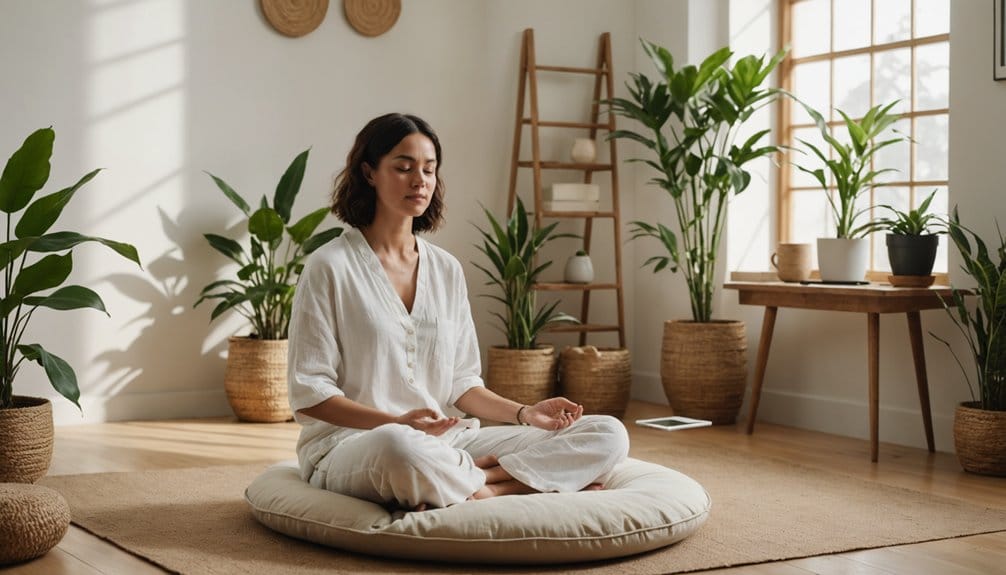
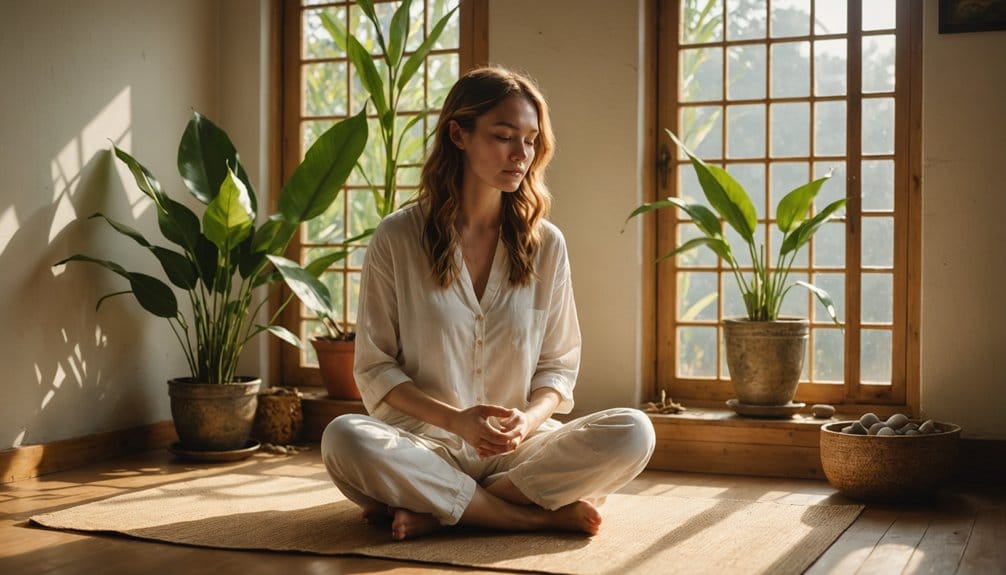
Creating the right environment for Zen meditation can make all the difference in your practice. Start by choosing a tranquil space—one that feels comfortable and free from distractions. You can use a corner of your living room or even your backyard. Clear away clutter; after all, a calm mind thrives in a calm space. Next, consider your body posture. Sit cross-legged or on a chair with your feet flat on the ground. Keep your back straight—no slouching! Your body’s comfort is essential, so avoid tight clothing. Let’s be honest; nobody wants a wardrobe malfunction during meditation. Lastly, try the Burmese Posture for a comfortable seating option that allows for natural spine alignment. Finally, dim the lights or light a candle; a soft glow can help set the mood. Enjoy your journey to stillness!
Step-by-step practice guide
Zen meditation isn’t just about sitting cross-legged and hoping for enlightenment—it’s a bit more involved than that! Start by finding a comfy, seated posture. Sit up straight, but don’t feel like a stick—feeling relaxed is key. Begin your mindful breathing; inhale deeply through your nose and exhale out through your mouth. Notice how your breath flows. As thoughts pop up (they will!), practice thought observation without judgment. You’re not chasing them away; simply acknowledge and let them drift. Try focus techniques like counting breaths to help with stillness cultivation. Incorporate sensory awareness by paying attention to surrounding sounds, scents, and sensations. Mindfulness meditation has been shown to help manage anxiety, enhancing your overall practice experience. Try making this part of your daily routine, just like your morning coffee. It might even feel like a mini retreat experience!
Common variations
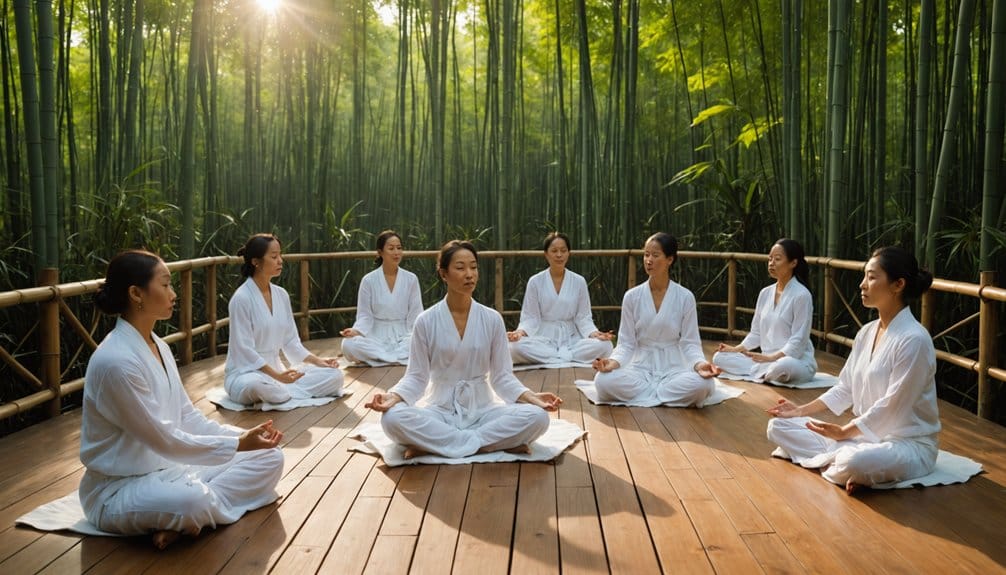
When it comes to practicing Zen meditation, you’ve got options! You can plunge into koan practice for a mind-bending challenge or settle into breath awareness to center your thoughts. Feeling energetic? Try mindful walking to connect with your surroundings. You can also explore guided sessions that keep you focused without the wandering mind. Nature immersion is another great way to soak in tranquility—just be mindful of the squirrels! Group meditation can foster community, while sound meditation adds a unique layer with soothing sounds. You might even incorporate daily rituals, like mindful eating, to enhance your practice. And hey, if you try painting some Zen art, who knows? You might discover your inner Picasso (or not, but that’s okay too)! Additionally, consistent practice of guided body scans can significantly reduce stress and enhance focus over time.
Benefits and Effects
Zen meditation isn’t just about sitting in silence; it actually packs a punch when it comes to your mental, emotional, and physical health. You might find that a little daily practice can boost your mood and focus, and who wouldn’t want that? Plus, if you’re like most people, those moments of stillness can lead to some pretty transformative insights—just don’t be surprised if you unexpectedly start pondering the meaning of socks! Furthermore, regular practice can enhance neural connectivity that improves processing of experiences and responses to challenges, ultimately enriching your meditation journey.
Mental and emotional well-being
Finding peace of mind is like searching for a missing sock in the laundry—frustrating yet essential. Zen meditation offers you a ticket to that inner calm. By practicing mindfulness techniques, you can enhance your emotional resilience and tackle life’s ups and downs with grace. Feeling overwhelmed? Stress reduction is just a breath away. Zazen sharpens your mental clarity, helping you sift through the chaos cluttering your mind. Ever notice how self-awareness practices let you catch those sneaky thoughts before they spiral into anxiety? With each session, you build a toolbox for anxiety management. Moreover, by regularly practicing mindfulness, you can rewire neural pathways that help you respond more calmly to emotional triggers. So why not give it a shot? Embrace the stillness, and you might just find that elusive sock—along with a calmer, brighter you!
Physical health outcomes
Physical health often feels like a game we don’t quite understand—sometimes we win, but other times we fumble the ball. Zen meditation gives you tools to improve your health outcomes. You might not be a wellness guru yet, but stress reduction is just a few breaths away. Picture yourself, calm and collected, boosting your immune function and enhancing cardiovascular health. Imagine managing pain better, and finding that sweet spot of sleep quality! Did you know meditation also improves brain function and promotes metabolic health? Plus, it helps with inflammation reduction. So, why not give it a whirl? You’ll be surprised how a little stillness can release a powerhouse of benefits. Embrace the journey—after all, nobody’s perfect!
Spiritual or transformative aspects
Transformation is a journey, not a race, and practicing meditation can lead you to some profound spiritual insights. You might find unexpected moments of clarity hidden between your thoughts, like lost treasures waiting to be discovered. With each session, you might experience your own spiritual awakening, shifting how you see both yourself and the world. Sound too dramatic? Think of it this way: when you meditate, it’s like pressing pause on life’s chaos. In this stillness, your transformative journeys begin to unfold. You’ll learn that it’s okay to be messy, to stumble, and still stretch toward growth. So, take a deep breath—if you can sit through awkward silences with yourself, you can surely conquer anything life throws your way!
Common Challenges and Misconceptions
You’re probably imagining a serene session with no thoughts at all, but let’s get real—most beginners face a whirlwind of challenges. Ever tried sitting still for a few minutes while your mind runs marathons? You might even hear some wild misconceptions, like needing to empty your mind completely, when in truth, it’s more about acknowledging those thoughts and letting them flow like a lazy river.
Typical difficulties for beginners
Starting Zen meditation can feel a bit like trying to herd cats—your mind races, distractions pop up, and suddenly you wonder if you’ll ever find that elusive peaceful state. You might struggle with breath control, feeling like you’ve got a balloon inside you, expanding and contracting awkwardly. Muscle tension can creep in, and don’t even get me started on wandering thoughts! Just when you think you’re aware of your discomfort, self-judgment barges in, questioning your commitment. You realize patience development isn’t an overnight fix. Then comes the time commitment—who has hours to spare? Consistency challenges? Yup, that too. Remember, distraction management starts by choosing a calm environment; it really does set the stage for peace in your mind!
Myths vs. reality
Let’s clear the air when it comes to Zen meditation—it’s not all incense and serene soundtracks. Many myths about meditation float around. For starters, you don’t have to be a monk in a mountain cave to practice zazen; it’s accessible to everyone. Misconceptions debunked? You won’t suddenly achieve complete enlightenment after one session. The reality of zazen is a journey, filled with common misunderstandings like thinking you must empty your mind completely. Instead, focus on acknowledging thoughts without judgment. Embrace the practical truths: it’s about consistency, not perfection. And let’s face it, cultural misinterpretations can make meditation seem mysterious. So, if you fumble your thoughts, don’t worry—you’re in good company! Just breathe and enjoy the ride.
Tips for Deepening Your Practice
So, you’re ready to take your Zen meditation to the next level? Great! Finding the right frequency and duration can really make a difference, and using helpful tools like calming music or guided recordings might just keep you from thinking about that laundry pile you’ve been avoiding. Remember, there’s no one-size-fits-all here, but a little experimentation can lead to some pretty rewarding moments—like finally sitting still without wondering when you’ll next check your phone!
Recommended frequency and duration
When it comes to Zen meditation, think of it as a workout for your mind. Just like you wouldn’t go all out at the gym once a month, your meditation practice thrives on consistency. Aim for a recommended frequency of at least three to four times a week. As for the ideal duration, 20 to 30 minutes is a solid start. If you’re feeling adventurous, try extending to an hour! Just keep in mind—no one achieves Zen in a single session. It’s about building stamina, too. Don’t sweat it if you get distracted; it happens to all of us. So, breathe, smile at your wandering thoughts, and keep coming back to your practice. Freedom is waiting!
Helpful tools (music, props, guided recordings, teachers)
While it might seem like Zen meditation requires nothing but your own breath, incorporating helpful tools can greatly deepen your practice—and let’s be honest, who doesn’t love a little extra support? For starters, a comfy meditation cushion can keep your focus sharp instead of your legs numb. Consider creating music playlists with calming nature sounds or mindfulness bells that signal when to breathe in and out. Guided apps and instructional videos can turn confusion into clarity. And hey, online classes and community forums connect you with fellow seekers. Need a reset? Meditation retreats do wonders! Don’t hesitate—experiment with breathing exercises to see what resonates. Remember, it’s all about finding your flow and enjoying the journey.
Modern Adaptations and Research
Zen meditation isn’t just for monks anymore—it’s made its way into our busy, modern lives! You might be surprised to find that recent research shows how this ancient practice can help reduce stress and improve focus, even for people juggling Zoom meetings and Netflix binges. So, if you think you can’t spare 10 minutes, remember, that’s just one episode of your favorite show—what’s stopping you from giving Zen a shot?
How the practice is used in contemporary life
In a world that’s constantly buzzing with distractions, it’s no surprise that many people are turning to Zen meditation as a refuge. You might find yourself juggling ridiculous schedules, and let’s be honest—stress can feel like a relentless roommate. Enter Zen! This practice isn’t just about personal growth; it’s crucial for mindful leadership and workplace wellness. Imagine enhancing your focus and creative thinking while building emotional resilience. Taking a digital detox could be your ticket to relationship improvement, fostering deeper connections. Plus, you can engage in community building through group meditation sessions. So, why not give it a try? Who knows, you might discover a calmer you, ready to tackle anything life throws at you—with a bit of humor, of course!
Scientific studies and evidence
You might think that meditation is just a trendy buzzword floating around social media, but scientific studies are unpacking real benefits that could change how you groove through life. Neuroscience findings show that regular Zen meditation boosts your brain’s gray matter, which helps you process emotions better. Ever found yourself overthinking during a stressful moment? Mindfulness studies reveal that meditative practices can actually reduce anxiety, helping you chill when life throws lemons your way. Plus, you’ll likely notice improved focus and creativity—perfect for imagining how you’ll conquer that next big project. So, why not give it a shot? After all, if you can sit still long enough to binge-watch a series, you can find time for some zen too!
Conclusion
So, what’s the takeaway from our Zen meditation journey? It’s all about finding a little peace, even if you feel like your mind’s a circus on a rollercoaster. Why not give it a shot and sprinkle some Zen into your daily routine—after all, who wouldn’t love a brief escape from life’s chaos?
Key takeaways
Zen meditation offers three key takeaways that can transform your daily life. First, it’s all about embracing the therapeutic benefits. Imagine unwinding after a stressful day, simply by allowing your thoughts to flow without judgment. Second, mindfulness techniques help you stay present. You know those moments when your mind is racing? Zen trains you to savor the now—yes, even that lukewarm cup of coffee! Finally, it fosters acceptance. You learn to roll with life’s punches and laugh at your mistakes. After all, who hasn’t tripped over their own feet? So, why not give these takeaways a try? You might just discover a calmer, zenned-out version of yourself, one breath at a time. Isn’t freedom what it’s all about?
Invitation to try and integrate into daily life
Although it might sound intimidating, integrating Zen meditation into your daily routine can be as simple as sipping your morning coffee with intention or taking a few deep breaths during a hectic workday. You don’t need a mountain retreat for daily integration! Think of mindful moments as little treasures you can spot throughout your day—like that awkward little dance you do when no one’s watching. Try pausing before each meal, feeling gratitude for your food. Or maybe, when stuck in traffic, let a breath remind you to chill out. Who knew road rage could be transformed into serenity? Embrace these small switches, and soon, you’ll find freedom in each moment. So go ahead, give it a go—your busy life could use a sprinkle of Zen!
If you have enjoyed this article, you can find more Zen-related content, here.