When you practice Vipassana meditation, you’re really learning to see clearly within yourself. It’s all about observing your thoughts, feelings, and sensations without judgment—kind of like watching clouds pass by instead of getting lost in the storm. You’ll build emotional resilience and inner peace, which sounds great, right? Sure, it might feel awkward at first, but who hasn’t sat cross-legged and ended up with a cramp? Stick with it, and you might just discover some unexpected joys. Curious about what else you might uncover?
Key Takeaways
- Vipassana meditation emphasizes self-observation, fostering a deeper understanding of thoughts and feelings without judgment.
- The practice requires a quiet environment and a comfortable seating position to enhance focus and awareness.
- Regular meditation helps increase emotional resilience, mental clarity, and stress reduction through mindful breathing techniques.
- The tradition, revived by S. N. Goenka, offers holistic insights into self-discovery and spiritual growth over centuries.
- Common challenges include distractions and discomfort, but these are opportunities for cultivating patience and commitment to daily practice.
Introduction
So, what’s the deal with Vipassana meditation? Well, it’s all about seeing things as they really are, which sounds pretty deep but is super relevant in today’s chaotic world. You might even find that taking some time to just be with your thoughts can help you handle life’s little curveballs—like the time you forgot your best friend’s birthday (oops!). Regular practice can lead to thicker gray matter in areas of the brain responsible for attention and emotional regulation.
What this meditation style is about
When you immerse yourself in Vipassana meditation, you’re stepping onto a path that’s all about awareness and insight—kind of like putting on a special pair of glasses to see the world (and yourself) more clearly. This practice focuses on mindful awareness, helping you cultivate insight development through breath observation. You’ll notice the little things—like that persistent itch or the sound of a passing car. You learn thought detachment, recognizing emotions without getting swept away by them. Emotive recognition builds understanding, while acceptance practice helps you embrace the present moment. As you engage in self inquiry, you’ll discover internal stillness. It’s like finding a cozy corner in the chaotic café of life. Regular practice has been shown to enhance emotional resilience, so are you ready for clarity?
Why it matters today
Why does Vipassana meditation matter in our fast-paced world? Well, with the constant buzz of mindful technology and the weight of societal stress, it’s easy to feel overwhelmed. You might find yourself scrolling endlessly, hoping for peace, but peace doesn’t come from a screen! By embracing Vipassana, you can tune into your inner self, cutting through the chaos. Think of it as hitting a mental reset button. Instead of getting lost in distractions, you can cultivate clarity and focus. Imagine sitting comfortably, breathing deeply, and letting those worries slip away. It’s not about ignoring life; it’s about living it fully. So, why not give yourself that gift of awareness? Your mind will thank you—eventually. Plus, who doesn’t love a little escapism? Regular practice of Vipassana can also reduce cortisol levels, helping your body to rewrite its stress response and promote a more balanced state.
Historical Roots and Origins
Let’s take a quick look at where Vipassana meditation comes from. It’s got deep cultural and spiritual roots, stretching back to ancient India, where key figures like the Buddha shaped its practice. Ever wondered how something that started thousands of years ago still resonates today? You’re not alone—grasping its origins can be as enlightening as the meditation itself! This practice is rooted in early Buddhist contemplative techniques that emphasize simplicity and mindfulness.
Cultural and spiritual background
Although you might think meditation is a modern wellness trend, its roots run deep in history, tightly entwined with ancient spiritual practices. You can trace Vipassana’s essence back to its Buddhist roots, where monks honed their awareness. Ever feel your mind racing like it’s training for a marathon? Well, that’s where mindfulness practices swoop in to save the day! The influence of Hinduism also plays a role, introducing key ideas about connection and consciousness. Eastern philosophies, like those found in the teachings of the Buddha, remind you to embrace the present—no matter how wacky or chaotic life gets! Isn’t it comforting to know your quest for freedom isn’t just a solo adventure? It’s been shaping hearts and minds for centuries! The ancient methods laid a powerful foundation for modern practitioners that continue to influence how Vipassana is approached today.
Key figures or traditions associated with it
When you plunge into the world of Vipassana meditation, you can’t ignore a few key figures who helped shape its journey. First up is Siddhartha Gautama, the original Buddha, who laid the groundwork for this transformative practice over 2,500 years ago. Fast forward to today’s Theravada Buddhism, and you’ll discover the rich lineage that brings us here. Now, let’s not forget the Goenka legacy! S. N. Goenka revived the Vipassana tradition in the late 20th century, making it accessible to all seekers. His retreats are packed with people yearning for insight into their true selves. Additionally, like Transcendental Meditation, Vipassana practices encourage natural tendencies toward happiness, which allows practitioners to deepen their understanding of consciousness. So, why not join the tradition? You never know; a little clarity might just be what you need!
Core Philosophy and Principles
When you explore the core philosophy of Vipassana meditation, you’ll discover its roots in mindfulness and self-observation. It’s distinct from other forms because it emphasizes seeing things as they really are, rather than just floating along with thoughts. So, are you ready to uncover a new way of thinking that might just change how you tackle life’s little chaos? Regular Vipassana practice cultivates heightened self-awareness, allowing you to respond to life’s challenges with greater clarity and composure.
Underlying worldview or beliefs
At its heart, Vipassana meditation embraces a deeply rooted philosophy that emphasizes awareness and insight as keys to understanding our true nature. It’s all about cultivating mindfulness beliefs that encourage you to explore your inner self. Think of it as uncovering your own personal insight—like peeling layers of an onion, only with less crying! By engaging in consciousness exploration, you tackle those pesky existential questions that keep you up at night. The practice fosters awareness cultivation, allowing you to find inner peace amidst life’s chaos. It’s a journey of self-discovery, where you embrace spiritual perspectives that resonate with your desire for freedom. Furthermore, through mindful observation, practitioners develop the ability to notice experiences without attachment, thus deepening their understanding. So, why not give it a shot? You might just uncover the answers hiding within.
What makes it distinct from other forms
While you might find plenty of meditation styles out there, Vipassana stands out like a brightly colored flag in a sea of monochrome. It’s not just about sitting quietly; it’s a full-on adventure in awareness cultivation! Unlike other meditation forms that might focus heavily on relaxation or visualization, Vipassana emphasizes self-observation methods. You actively observe your thoughts, feelings, and sensations. That’s right—you dig deep and get to know your emotional regulation like an old friend. This practice cultivates mindfulness and helps you to observe your natural breath flow during daily activities, enhancing your overall awareness.
How to Practice Vipassana Meditation
Ready to give Vipassana a shot? First, you’ll want to prep both your body and your space so you’re comfortable—trust me, a stiff back does not make for a zen experience! Then, let’s walk through a step-by-step guide to get you meditating like a pro, and we might even sprinkle in some common variations to keep things interesting. Additionally, consider exploring options for financial assistance programs that many centers offer to help make retreats more accessible.
Preparing your body and space
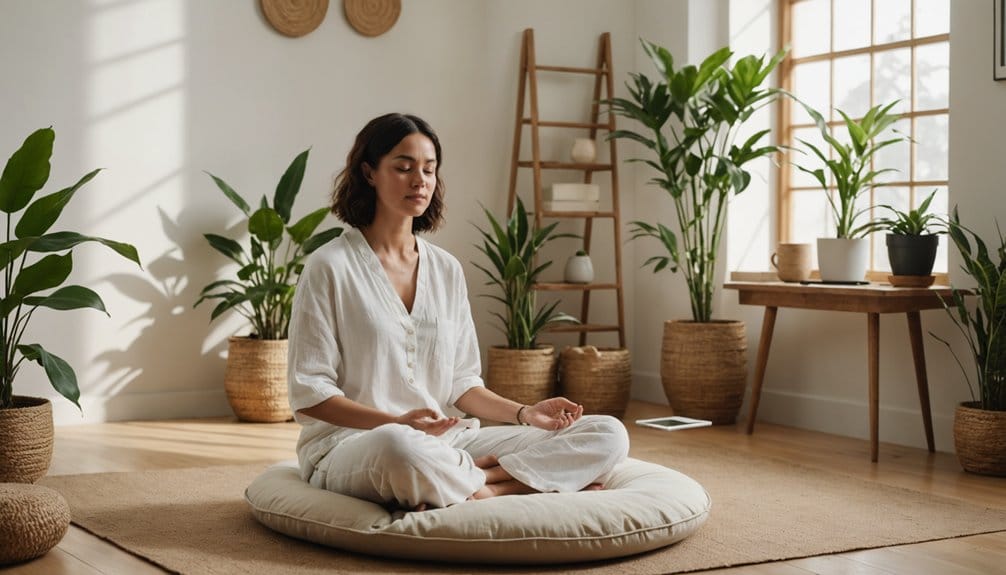
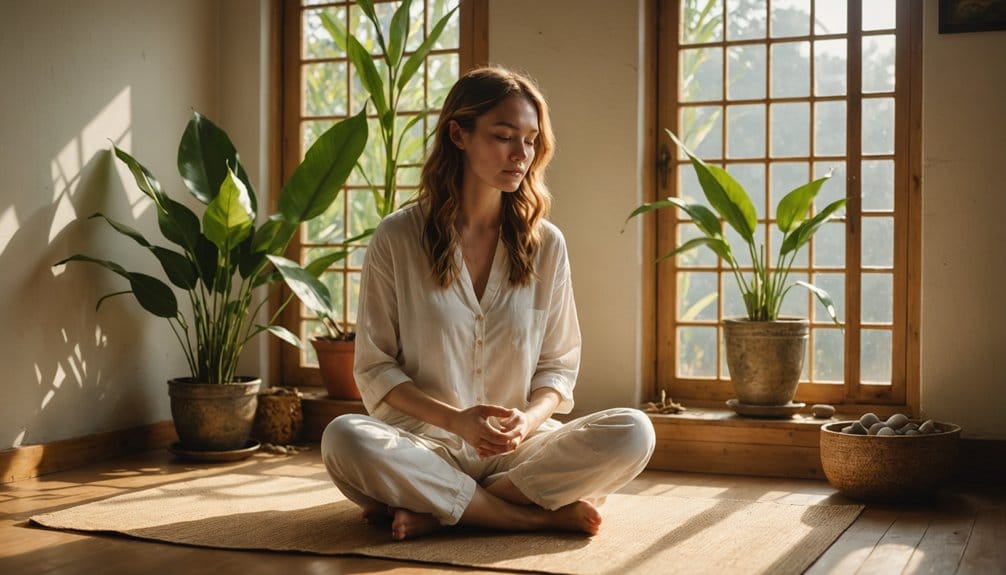
Before diving into the serene world of Vipassana meditation, you’ll want to set the stage both physically and mentally. Start with a mindful setup—choose a calming environment, free from distractions. Maybe that corner of your living room or a cozy nook by the window? Clear the space and let go of chaos; your brain will thank you. Focus on intentional positioning; sit with good physical alignment—your spine straight but relaxed, legs crossed or on a cushion, whichever feels right. Gather your essential materials—perhaps a blanket for comfort and a timer for those initial sessions. As you settle in, deepen your body awareness. Notice your breath and let sensory awareness guide you into the heart of your practice. Remember to maintain a naturally straight spine as you find your posture. Ready? You’ve got this!
Step-by-step practice guide
Many people find that following a step-by-step guide makes starting Vipassana meditation feel less intimidating. First, find a quiet spot to sit comfortably—no need for a throne! Focus on your breath awareness; notice each inhale and exhale. If your mind wanders (and it likely will—thanks, human brain!), gently bring your attention back to your breath. Next, practice mindful observation: notice sensations in your body or sounds around you. You’re not judging these experiences; just observing them, like a curious tourist. Start with just a few minutes daily, gradually increasing the time as you feel ready. Incorporating deep breathing techniques can further enhance your meditation practice. Remember, this journey is about freeing your mind, not achieving perfection. So, go easy on yourself, grab that breath, and enjoy the ride!
Common variations
While you might think there’s just one way to practice Vipassana meditation, the truth is that there are several variations catering to different preferences and lifestyles. You can explore various meditation techniques, from mindfulness variations that highlight breathing exercises to visualization methods that spark your imagination. Ever tried body scanning? It might just open your eyes to sensations you’ve ignored! Group sessions offer camaraderie, while retreat formats immerse you in silence—nothing like a silent reflection to reconnect with yourself. Not ready to ditch everyday life? Online courses and guided meditations fit seamlessly into busy schedules. Daily practices, along with some movement practices, can keep your meditation journey vibrant and engaging. After all, who says self-discovery can’t come with a side of fun? You might also find inspiration in daily activities that serve as triggers for practicing mindfulness.
Benefits and Effects
When you practice Vipassana meditation, you might notice some pretty incredible benefits popping up in your life. From boosting your mental and emotional well-being to giving your physical health a helpful nudge, it’s like a wellness buffet—without the awkward small talk! Plus, many people say it opens up a spiritual side they never knew they had; who wouldn’t want to find a little more inner peace amidst the chaos of everyday life? Engaging in this practice can also help you connect with virtual meditation communities, providing support and shared experiences along your journey.
Mental and emotional well-being
Finding peace in the chaos of everyday life might seem like an impossible dream, but Vipassana meditation offers a practical path to mental and emotional well-being. You’ll discover that this mindfulness practice helps you cultivate emotional resilience, like building a sturdy mental umbrella against life’s storms. Ever felt overwhelmed? You’ll find stress reduction becomes your new best friend, with anxiety relief just a breath away. Through self-awareness techniques, you’ll learn to stay present in the moment, leading to inner peace and mental clarity. It’s like tuning an out-of-tune radio; suddenly, everything sounds just right. With each session, you’ll embrace self-acceptance and enhance your emotional regulation. Regular practice can also help in shrinking the overactive amygdala, which is associated with fear and stress. Who wouldn’t want a clearer mind and a calmer heart? Let’s plunge into it!
Physical health outcomes
Physical health can sometimes feel like a game of whack-a-mole, with stress popping up just when you think you’ve got everything under control. But embracing Vipassana meditation helps strengthen that elusive mind-body connection, offering incredible health benefits. You’ll find stress reduction that results in better immune function, letting your body fight off those pesky colds. Have chronic pain? You might discover relief as you learn to observe and let go. Plus, your cardiovascular health can improve, meaning your heart will thank you! As you meditate, watch your cognitive function bloom, leading to crystal-clear mental clarity. Who doesn’t want emotional resilience? Gradually, you’ll emerge not just physically healthier but empowered—ready to tackle life’s challenges with grace and humor.
Spiritual or transformative aspects
You might think that meditation’s just about finding a comfy spot on the floor and zoning out—well, it’s so much more than that! Through Vipassana, you commence a mindfulness journey full of inner transformation. Imagine experiencing transcendental states where your ego starts to dissolve, paving the way for a spiritual awakening. You begin cultivating awareness, leading to emotional healing and higher consciousness. As you dive deeper, you find yourself on a self-discovery process that fosters spiritual growth and compassionate living. Those moments of connectedness experiences? They bring you profound inner peace! So, ready to access the transformative power of liberation practices? It’s not just meditation; it’s a ticket to freedom, my friend!
Common Challenges and Misconceptions
You might think Vipassana meditation is all about instant peace and enlightenment, but let me tell you, it can come with its fair share of hiccups! Beginners often find themselves wrestling with distractions or questioning if they’re doing it “right.” And let’s face it, myths about meditation can make you feel like you’re supposed to float on a cloud—spoiler: that’s not exactly how it works!
Typical difficulties for beginners
Diving into Vipassana meditation can stir up a whirlwind of challenges for newcomers, making it feel like you’re swimming upstream. You’ll likely face issues like overcoming distractions—those pesky thoughts that crash your mental party. Handling discomfort? Oh, you’ll definitely encounter that! Your knees might protest, and your back might remind you it exists. Managing expectations is vital, too; don’t expect instant enlightenment. Dealing with frustration will test your resolve. Understanding boredom is a skill you’ll learn; silence can be intimidating at first. Embrace it! Cultivating patience is essential; remember, it’s a process. And let’s not forget addressing misconceptions, like thinking meditation’s all about bliss—sometimes, it’s just you and your restless mind. You got this!
Myths vs. reality
Myths about Vipassana meditation can create roadblocks that many newbies face, making the journey feel more like an obstacle course than a tranquil path. You might hear mythical narratives like “you have to be a monk to do this” or “it’s all about clearing your mind instantly.” Not quite! The practical realities include embracing your wandering thoughts and simply observing them, not eliminating them. You may even wrestle with discomfort; that’s normal! Remember, every distraction isn’t a failure; it’s an opportunity to practice patience. So, don’t expect instant peace—think of it as a long, winding road to freedom, not a quick sprint. And yes, even seasoned meditators occasionally find their minds racing like caffeinated squirrels!
Tips for Deepening Your Practice
Want to take your Vipassana practice to the next level? Consistency is key, so setting aside time each day—maybe just 10 or 20 minutes—can make a huge difference. And hey, don’t hesitate to use tools like calming music or guided recordings; they’re like having a friendly coach cheering you on when your mind starts to wander!
Recommended frequency and duration
While there’s no one-size-fits-all approach to Vipassana meditation, finding the right frequency and duration for your practice can be a game-changer. Aim for a daily practice, even if it’s just for 10 to 15 minutes. Think of it as brushing your teeth—you don’t skip it because it’s good for you! To deepen your experience, try gradually increasing to an ideal duration of 30 minutes. Can you imagine how much peace you’d feel? If daily feels overwhelming, start with just a few times a week. The key is consistency, not perfection. You’ll discover a rhythm that suits your life, allowing you to enjoy the freedom that comes with clarity and calm. Now, go on, let those worries fade!
Helpful tools (music, props, guided recordings, teachers)
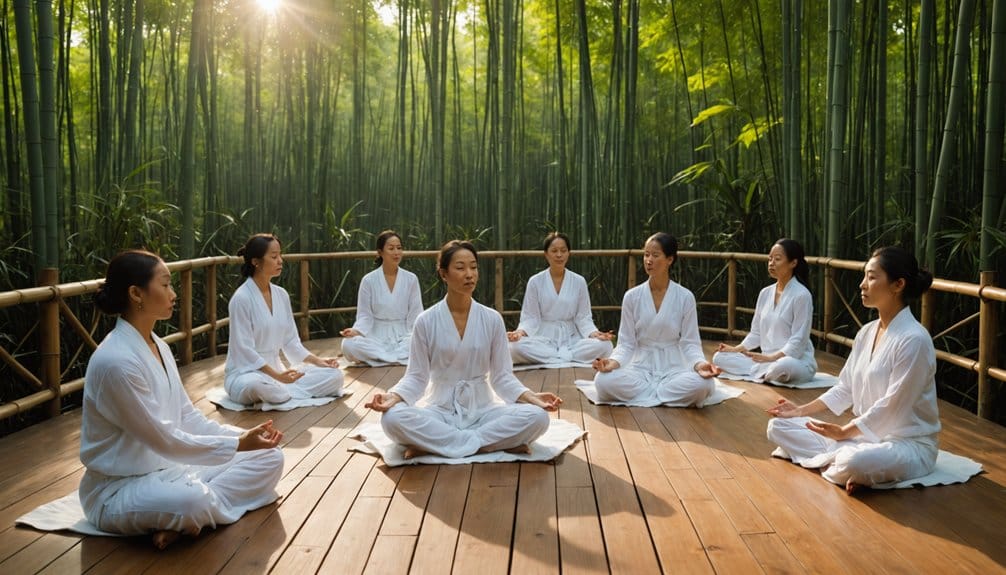
Meditation isn’t just about sitting in silence and hoping for enlightenment to drop in your lap—not that we wouldn’t wish for that! To deepen your practice, think of supportive tools like music playlists filled with ambient sounds. They can create a serene atmosphere for your sessions. You might also explore meditation props, such as cushions or eye masks, to enhance comfort. Try guided recordings that lead you step-by-step or consider mindfulness apps that offer structured sessions. Online resources and teacher recommendations can bring fresh insights, too! Engaging with community groups or participating in virtual retreats can provide connection and inspiration. Don’t forget your practice journal—reflecting on your journey can illuminate your path to freedom. Immerse yourself!
Modern Adaptations and Research
In today’s fast-paced world, it’s fascinating how people are finding new ways to fit Vipassana meditation into their busy lives. Did you know that scientific studies are backing up what yogis have been whispering for centuries—that this practice can actually boost your mental health? So, whether you’re sneaking in a few mindful breaths during a coffee break or committing to a full retreat, there’s research out there to support your journey and maybe even help you ignore that nagging to-do list!
How the practice is used in contemporary life
You might be surprised to learn that vipassana meditation isn’t just for retreat-goers in serene settings, sipping herbal tea and contemplating their lives. You can easily weave these mindfulness practices into your daily routines. Imagine taking a few minutes at work to breathe deeply, reducing stress and improving emotional regulation. Just one focused pause can transform your chaotic day into something manageable!
Want better social connections? Try practicing compassion for yourself and others, enhancing your emotional awareness. With just a small commitment, you can experience mental clarity and promote your personal development. Even a busy morning can become a moment for spiritual growth. So go ahead—take that leap. Embrace mindful living and find freedom in the everyday chaos!
Scientific studies and evidence
While the idea of meditation might conjure up images of temples and incense, modern research is revealing just how beneficial vipassana can be in our fast-paced lives. Neuroscience findings show that regular practice can reshape your brain, enhancing emotional regulation and resilience. You might even find that stressful situations feel a bit more manageable. Mindfulness studies highlight how this technique can lower anxiety and boost focus—who wouldn’t want more of that? Imagine tackling your daily tasks with newfound clarity! Plus, the more you practice, the less likely you are to get distracted by that ever-persistent scroll on your phone. So, why not give it a go? Your mind will thank you, and your sanity might just stick around a little longer!
Conclusion
So, what have we learned about Vipassana meditation? It’s more than just sitting quietly; it’s about really tuning into yourself, which can be surprisingly challenging but totally rewarding. Why not give it a shot and see how these techniques can fit into your daily hustle?
Key takeaways
Vipassana meditation offers several eye-opening insights that can transform your daily life. You’ll discover mindfulness benefits that help you appreciate the little things—like your morning coffee or that stunning sunset. Ever had a moment where you just felt everything fall into place? That’s inner peace knocking on your door! By tuning into your breath or sensations, you’ll learn to let go of distractions, kind of like swatting away a pesky fly during a picnic. Plus, it builds resilience; when life’s curveballs come your way, you’ll be ready to dodge them with grace. So, why not give it a shot? You might just find that the simplest moments bring you the most joy! Who knows, it could change your life!
Invitation to try and integrate into daily life
If you’re looking for a way to bring more calm and clarity into your world, why not give mindfulness a whirl? You don’t have to sit on a fancy cushion for hours; small steps can lead to big changes. Try integrating mindful moments into your daily routine. Maybe focus on your breath while waiting for your coffee or mindfully savor that first bite of your lunch. These tiny practices add up!
If you have enjoyed this article, you can find more Vipassana-related content, here.