Want to transform your chaotic day into a sea of calm? Pranayama’s your ticket! By mastering breath control, you can ease stress and boost focus—like hitting the reset button for your mind. Start by sitting comfortably and breathing deeply; don’t worry if your thoughts wander—that’s totally normal! Embrace the learning curve, keep practicing, and soon you’ll find the blissful moments. So, ready to discover more tips and tricks to elevate your practice?
Key Takeaways
- Pranayama involves breath control, promoting relaxation and mental clarity through mindful breathing techniques.
- Begin your practice in a comfortable position, focusing on deep inhales and slow exhales to enhance awareness.
- Incorporate specific techniques like Bhramari pranayama to elevate emotional states and foster tranquility.
- Maintain consistency in your practice, aiming for daily sessions, even if only for 10 minutes.
- Utilize tools like ambient music and guided recordings to enhance your pranayama experience and support your journey.
Introduction
So, you’ve heard about Pranayama-based meditation, but what is it really? It’s all about controlling your breath to chill out and find your inner zen—think of it as yoga for your lungs! In today’s fast-paced world, mastering this technique can turn your chaotic moments into peaceful ones, and let’s be honest, who wouldn’t want a little more peace in their lives? Engaging in mindful breathing acts as a reset button for the body, providing a simple yet effective way to manage stress.
What this meditation style is about
If you’ve ever tried to meditate but found your mind racing faster than a caffeinated squirrel, you’re not alone! Pranayama-based meditation focuses on breath awareness to help you find your calm amidst the chaos. By controlling your breath, you tap into a powerful energy flow that can transform your state of mind. Think of it as a backstage pass to your mind’s inner workings, where you can ease stress and gain clarity. While you might feel like your brain’s doing gymnastics at first, stick with it. You’ll soon discover that by simply breathing—yes, the thing you do without thinking—you can access a profound sense of freedom. This practice not only enhances mindfulness but also serves as a natural coping mechanism for stress management and emotional resilience. Ready to see where your breath can take you? Let’s jump in!
Why it matters today
In today’s fast-paced world, where your to-do list seems to grow longer than your last Netflix binge, finding peace can feel like searching for a needle in a haystack. But guess what? You don’t have to climb a mountain or chant in a cave to experience calm. Practicing breath awareness through pranayama can reshape your daily chaos into a sanctuary. Envision this: just a few minutes of mindful healing can turn your racing thoughts into gentle waves. Imagine feeling lighter, more focused, even with that laundry mountain staring you down! By tuning into your breath, you reclaim your freedom amid life’s whirlwind. Mindful breathing promotes measurable changes in brain activity and can be a powerful tool in cultivating your inner peace. Ready to explore? Your mind—like your favorite show—deserves a break, too!
Historical Roots and Origins
You might not know it, but pranayama’s roots stretch back thousands of years into Indian culture and spirituality. Think of it like an ancient road trip, with guiding figures like Patanjali showing us the way in texts like the Yoga Sutras. So, as you explore these techniques, remember you’re tapping into a rich history filled with wisdom—no time machine needed! The practice of pranayama is deeply intertwined with ancient Vedic traditions, which have influenced spiritual seekers for millennia.
Cultural and spiritual background
While many people think of yoga as just a way to stretch and find inner peace, there’s a rich tapestry of history behind the practice, especially when it comes to pranayama-based meditation techniques. These methods aren’t just about breathing; they’re steeped in spiritual significance and cultural rituals that have thrived for centuries. Imagine the ancient sages who discovered that the simple act of breathing could reveal inner freedom and connection to something greater. Through controlled breaths, they crafted a pathway to enlightenment. So, every time you inhale mindfully, you’re tapping into that deep-rooted wisdom. It’s like a spiritual handshake with history! Additionally, ancient Kundalini philosophy emphasizes the awakening of energy within, which has profound spiritual implications. Embrace it, and who knows? You might just discover a part of yourself that’s been waiting to breathe free.
Key figures or traditions associated with it
Breath is life, and when it comes to pranayama-based meditation, it’s also a gateway to wisdom. You might’ve heard of B.K.S. Iyengar, who emphasized precision in breath and movement. Then there’s Swami Sivananda, known for blending yoga and philosophy beautifully. Have you discovered T.K.V. Desikachar? He took ancient teachings and made them accessible for the modern soul. Then there’s Pattabhi Jois, who gave us the dynamic flow of Ashtanga, showing how breath fuels movement. Let’s not forget Krishnamacharya, the ‘father of modern yoga,’ who shaped many of these paths. These figures weren’t just masters; they were explorers of consciousness. Furthermore, their teachings often reflect principles of chakra meditation, emphasizing the importance of recognizing energy flow and blockages. So, as you breathe, remember—you’re part of a journey that spans generations. And hey, every breath counts!
Core Philosophy and Principles
When you think about the core philosophy of pranayama, it’s all about breathing and being present, right? It’s not just a fancy way to relax; it’s rooted in beliefs that connect the mind and body in a unique dance that sets it apart from other meditation styles. Ever notice how taking a deep breath can change your mood? That’s the magic of pranayama at work! Practicing techniques like controlled breathing allows individuals to enhance emotional resilience and manage anxiety effectively.
Underlying worldview or beliefs
Pranayama-based meditation techniques rest on a fascinating foundation that encourages self-discovery and connection with the universe. These practices invite you to peel back the layers of your internal world, revealing philosophical foundations that can reshape your view of life. You’re not just breathing; you’re engaging with ancient cultural insights that stretch back millennia. Ever wonder why you’re always trying to catch your breath in this fast-paced world? Maybe you need a moment to breathe deeply! By embracing these methods, you access your potential for freedom and tranquility. The principles of non-judgmental observation from traditions like Vipassana can deepen your meditative practice. So, let’s be honest; we could all use a little more peace, right? Imagine transforming your ordinary moments into extraordinary experiences, just by taking a moment to breathe mindfully.
What makes it distinct from other forms
While many meditation styles focus solely on quieting the mind, Pranayama-based techniques blend breath control with awareness, creating a dynamic experience. You’re not just sitting still; you’re actively engaging with your breath to release energy flow. It’s like giving yourself a pep talk while tuning into your body.
This isn’t just about mindfulness techniques; it’s an adventure in awareness cultivation. You learn to control your breath, and suddenly, you’re aware of every sensation, every thought, every ounce of energy. Feel your worries lift as you inhale deeply and exhale fully.
In addition, Bhramari pranayama offers a powerful tool to elevate your emotional state, promoting relaxation and mental clarity in a way few methods can.
Who knew breathing could be this liberating? So, why not give it a try? After all, mastering your breath might just be the key to mastering your life.
How to Practice Pranayama
Ready to get your pranayama groove on? First, it’s all about setting the scene—find a comfy spot where you won’t be interrupted, and take a moment to stretch out those tight muscles. Once you’re settled in, follow the simple steps for each technique, and don’t worry if you forget them; even seasoned yogis have their off days! Additionally, incorporating deep diaphragmatic breathing can significantly enhance your mental focus and relaxation.
Preparing your body and space
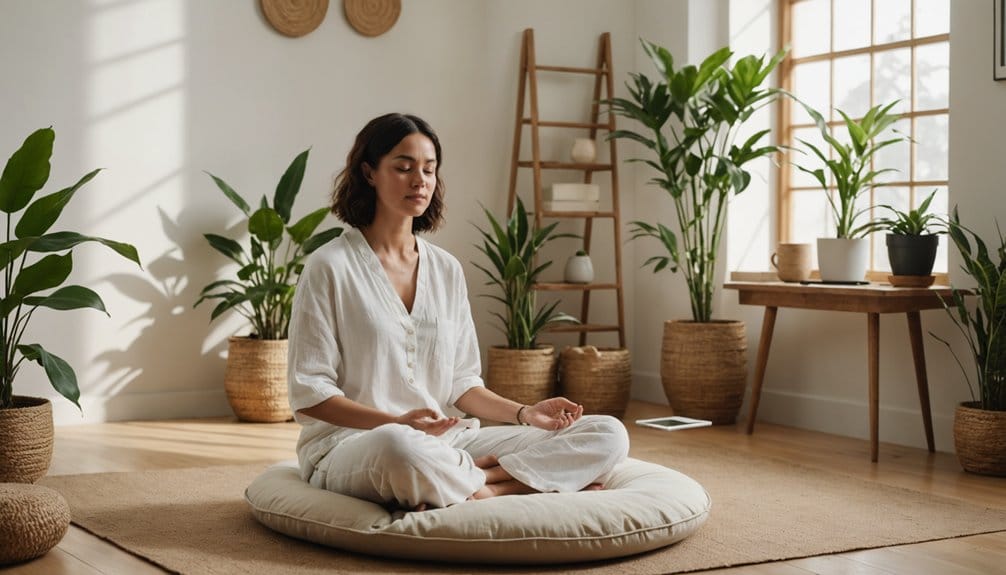
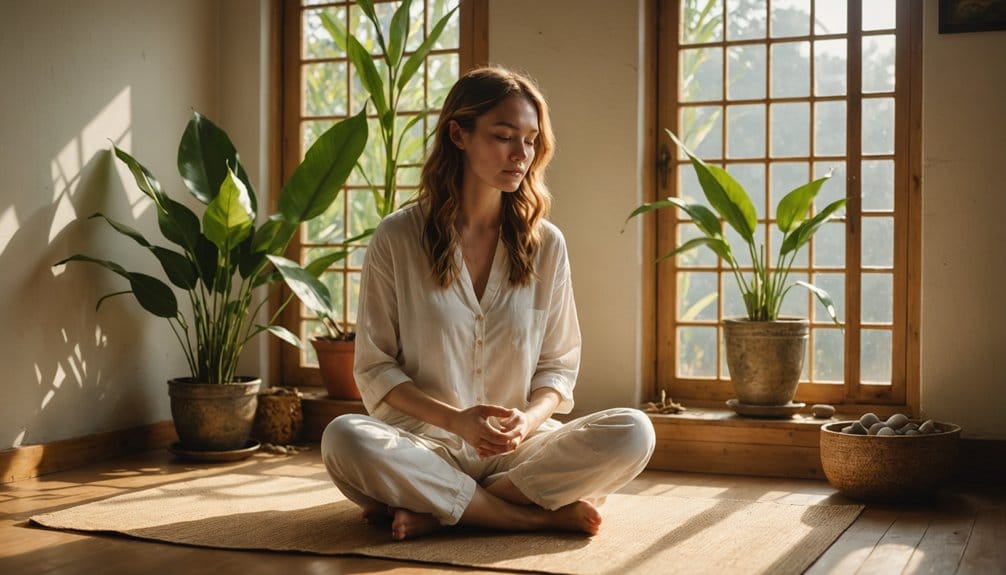
When it comes to practicing pranayama, setting the scene is just as important as the techniques themselves. Start with a quick environment assessment—are distractions lurking? Clear your space to foster tranquility. Next, focus on your body alignment; a straight spine promotes better breath awareness. How about lighting? Soft, natural light or candles can create a calming atmosphere. Don’t forget to set an intention; what do you want to achieve today? As you prepare, consider sensory adjustments—play soft music or diffuse calming scents. Mindful preparation leads to greater freedom in your practice. Remember, if you find your mind wandering, it’s all part of the journey. Embrace the chaos, and let your breath guide you! Practicing in a quiet, peaceful area enhances the overall experience and allows for deeper connection with your breath.
Step-by-step practice guide
After you’ve created a serene environment and aligned your body, it’s time to jump into the actual practice of pranayama. Start by finding a comfortable seat. Inhale deeply through your nose, filling your lungs like a balloon—you’re not a helium-filled party decoration but don’t hold back! Now, exhale slowly through your mouth. That’s breath control in action! Repeat this for five minutes, focusing on mindful breathing. Feel your thoughts drift like clouds. When you’re ready, try extending your inhales and exhales. Each breath is a chance for freedom; embrace it! If your mind wanders, it’s okay—just guide it back. Remember, there’s no perfect way, just you exploring the beautiful art of breathing. Practicing techniques like Anulom Vilom can enhance your focus and relaxation. Now, go ahead and let it flow!
Common variations
While practicing pranayama, you’ll stumble upon some common variations that can spice up your breathing routine. Have you tried Nadi Shodhana variations yet? This alternate nostril breathing is like a little dance for your energy channels! It balances your body and calms your mind. You’ll find it’s a fun way to feel more centered. Then there’s Ujjayi breathing, often referred to as ocean breath. It creates a soothing sound, almost like you’re whispering sweet nothings to the waves. It encourages focus and releases tension. For additional calmness, you might also incorporate the 4-7-8 breathing method, which can be practiced anywhere and is effective in reducing anxiety. Switch it up! Alternate between these techniques throughout your practice. Who knew controlling your breath could reveal such freedom? Immerse yourself in these variations and let your breath lead the way!
Benefits and Effects
When you practice pranayama, you’re not just stretching your lungs; you’re opening the door to better mental and emotional health. Who wouldn’t want a little more peace of mind while tackling life’s daily chaos? Plus, you might even experience some transformative moments, like realizing that ignoring your breath isn’t the best way to handle stress—spoiler alert: it isn’t! Incorporating techniques like deep diaphragmatic breathing can significantly enhance your overall wellbeing.
Mental and emotional well-being
Imagine this: you’ve just had a chaotic day at work, your to-do list feels endless, and your brain’s racing faster than a squirrel on caffeine. Sound familiar? Pranayama can help you catch your breath—literally and figuratively. Through mindful awareness and controlled breathing, you can calm that mental storm brewing in your head. By focusing on your breath, you invite emotional balance back into your life. Maybe you’ll notice your stress melts away, leaving space for clarity. Ever had one of those “aha” moments when you finally took a breath? That’s not a coincidence! Studies have shown that controlled breathing can activate the parasympathetic nervous system, promoting relaxation. Next time chaos strikes, remember: just breathe. It’s your secret weapon for reclaiming your mind and nurturing your emotions. So, why not give it a shot?
Physical health outcomes
Breathing isn’t just for staying alive; it can actually boost your physical health in ways you might not expect. When you focus on breath regulation through techniques like pranayama, you open a treasure chest of health benefits. Ever notice how a deep breath can calm your frantic mind? It can lower blood pressure, improve lung function, and even enhance your energy levels. Imagine tackling your day without feeling like a zombie! You might even find yourself recovering faster after workouts. Plus, it’s a secret weapon against stress. Take a moment to inhale deeply, and you’re not just filling your lungs; you’re investing in your well-being. Who knew breathing could be your ticket to a healthier, more vibrant life?
Spiritual or transformative aspects
After unfastening all those impressive physical health benefits, it’s time to explore how pranayama can touch your spiritual side. Imagine commencing on a transformative journey where each breath propels you toward a spiritual awakening. It’s not just about inhaling and exhaling; it’s about connecting with your true self.
As you practice, you might notice a sense of clarity and peace wash over you, like that first sip of coffee on a Monday morning—pure bliss. This connection can lead you to profound insights and help you ditch those pesky doubts holding you back. So, why not plunge in? Embrace this journey with a playful heart; you might discover something incredible waiting beneath the surface. Ready to breathe your way to freedom?
Common Challenges and Misconceptions
Starting a pranayama practice can feel a bit like trying to ride a bike for the first time—awkward and wobbly, right? You might think you’ve got to master every breath instantly, but hey, even the pros had their wobbly moments. Let’s bust some common myths and tackle those pesky challenges together, so you can enjoy your journey without the panic of feeling like a beginner forever!
Typical difficulties for beginners
Many beginners find themselves grappling with a few common hurdles when diving into pranayama-based meditation techniques. First up, breath control—it’s trickier than it sounds! You might find your mind wandering like a kid in a candy store. Patience cultivation is key here. Body awareness feels elusive, but don’t sweat it; it takes time to tune in. Expectation management is essential too; it’s not about achieving instant bliss. Discomfort tolerance often pops up—if your back hurts, that’s normal! Focus difficulties can lead to frustration, but remember, even seasoned pros have “one of those days.” Consistency challenges? Who hasn’t skipped a session or five? Embrace the journey, flaws and all, and breathe through it. You’re doing great!
Myths vs. reality
Have you ever wondered why so many myths surround pranayama-based meditation? You’re not alone! Pranayama misconceptions often paint it as a mystical practice meant only for yogis in flowing robes. But let’s be real—you don’t need to sit cross-legged on a mountaintop to reap its benefits. Breathing myths suggest that deeper breaths equal better meditations. False! It’s about quality, not quantity. Meditation truths reveal that everyone can find solace through mindful breathing, no prior experience required. Plus, yoga misunderstandings often lead folks to think flexibility is a must. Spoiler alert: it’s not! So, let’s clear the air: anyone, from couch potatoes to fitness gurus, can embrace the transformative power of pranayama. Deep breaths and freedom await!
Tips for Deepening Your Practice
To really enhance your pranayama practice, consistency is key—you’ll want to aim for daily sessions, even if it’s just for 10 minutes. Grab some calming music, or play a guided recording to help you stay focused; trust me, your mind will thank you for the extra support. And hey, if you can find a teacher or a cozy spot with props, you’ll be amazed at how much those little tools can transform your experience!
Recommended frequency and duration
When it comes to pranayama-based meditation, aiming for consistency can be your secret weapon. Try practicing daily for about 10-20 minutes. It’s like training a muscle—you’ll improve over time! If daily feels overwhelming, frequency recommendations suggest starting with three times a week. Even short bursts can work wonders.
Duration guidelines? Here’s the scoop: begin with 5 minutes and gradually work your way up. Trust me, you don’t need to sit for hours to feel the benefits! Do what feels right—listen to your body. Remember, it’s not a race. Celebrate your milestones, even if they’re just sneaking in a few deep breaths between chores. Finding rhythm in your practice fosters freedom, and who wouldn’t want a little more of that?
Helpful tools (music, props, guided recordings, teachers)
Utilizing helpful tools can take your pranayama-based meditation practice from a casual stroll to a scenic hike! Think about music selection; the right sound therapy can uplift your spirits. Consider creating ambient playlists that match your breathing rhythms. Got props? They’re not just for yoga classes; cushion your body during practice for extra comfort. Guided recordings can be your best friend—meditation apps often offer fantastic resources. And let’s not forget teacher recommendations; a good guide can make all the difference. Remember, it’s not just about relaxation—it’s about finding freedom in your breath! So, why not spice up your practice? Enjoy the journey and don’t take it too seriously! After all, who doesn’t chuckle at themselves when they accidentally snore during meditation?
Modern Adaptations and Research
So, you’re probably wondering how pranayama fits into today’s fast-paced world, right? Turns out, it’s not just for yogis in flowing robes anymore—many people are using these breathing techniques to manage stress and boost focus, even in an office cubicle! Plus, researchers are getting in on the action, uncovering some exciting evidence that shows just how much this ancient practice can benefit our modern lives.
How the practice is used in contemporary life
In a world that often feels like it’s moving at lightning speed—seriously, who hasn’t checked their phone for the hundredth time today?—pranayama-based meditation techniques are popping up everywhere, offering a revitalizing change. You can easily weave breath awareness into your daily routines, turning mundane moments into opportunities for mindfulness practices. Imagine taking a break at work and practicing a few deep breaths for stress reduction. Join community sessions that focus on emotional regulation, so you don’t feel alone on your journey. Little by little, you can incorporate self-care techniques that nurture holistic health. Want personal growth? Start integrating these strategies at home, and watch how you transform. It’s not just about being free; it’s about feeling alive!
Scientific studies and evidence
Research shows that just a handful of mindful breaths can change your day—seriously, it’s like hitting the reset button. Studies in breathwork are revealing fascinating neuroscience implications. You might find that simple pranayama techniques contribute to stress reduction, improve emotional regulation, and enhance cognitive benefits. Imagine calming your mind and boosting focus all with your breath! Plus, meditation studies indicate profound physiological effects that strengthen the mind-body connection. It’s not just woo-woo; it’s science! Looking to tackle anxiety? Breath practices can be your secret weapon. Ready to transform? You don’t need a yoga studio; just take a moment, inhale, and exhale deeply. You’re not just breathing; you’re experimenting on yourself! Let’s see how far breath can take you.
Conclusion
So, here we are at the end of our journey through pranayama-based techniques—what a ride, right? You’ve learned some key takeaways that can really spice up your meditation game, so why not give them a whirl in your daily life? Trust me, integrating these techniques might just turn your “meh” moments into “aha!” experiences, and hey, if it doesn’t, at least you gave it a shot!
Key takeaways
When it comes to pranayama-based meditation techniques, the key takeaway is simple: breath is your superpower! Think about it—when life gets chaotic, just breathe. Focusing on your breath releases the transformative effects you’ve been searching for. The key principles, like awareness and control, are your roadmap to personal freedom. Ever try talking like a robot while holding your breath? Not fun, right? Yet, when you breathe deeply and mindfully, you tap into more than calmness; you activate your inner strength! So, why not take a few moments each day? You can turn any mundane space into your sanctuary. Remember, each inhale and exhale can lead you closer to the life you want. So, what’s stopping you? Go ahead, breathe!
Invitation to try and integrate into daily life
Breathing isn’t just for yogis and monks—it’s for everyone, even if you sometimes forget to breathe while doing laundry or arguing with your smartphone. Why not weave these pranayama techniques seamlessly into your day? Set daily reminders, like when your coffee brews or at stoplights, to pause and take a deep breath. Picture yourself in a meeting or waiting in line—just a minute to practice mindful integration can powerfully shift your mood. You’ll find the chaos of your daily life becomes more manageable, even enjoyable. So, give it a whirl! Embrace this simple yet profound practice, and you might just surprise yourself at how freeing it feels. Go on, breathe deeply—you deserve it!
If you have enjoyed this article, you can find more Pranayama-related content, here.