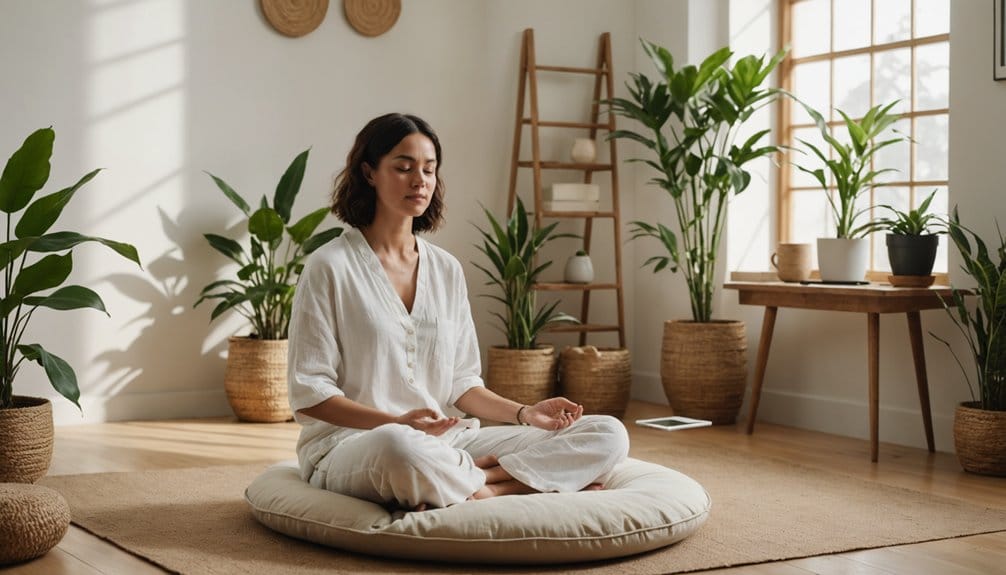
Just like a ship’s captain learns to navigate stormy seas, you’ll want to master simple breathing techniques to weather life’s chaos. Let’s face it – between juggling work deadlines, family drama, and that neighbor’s questionable music choices, stress is your constant companion. But here’s the thing: pranayama isn’t just some trendy wellness fad. It’s your personal remote control for hitting pause on life’s mayhem, and you won’t believe how simple it can be to start.
Understanding the Science Behind Pranayama
While the ancient practice of pranayama might sound mystical, there’s fascinating science behind why controlled breathing works so well for relaxation. Ever notice how your breath quickens when you’re stressed? That’s your body’s natural response, but you can actually hack this system to your advantage.
When you understand basic breath mechanics, you’ll see why pranayama is so powerful. Your breathing patterns directly influence your nervous system – it’s like having a remote control for your stress levels! The neurophysiological effects are pretty remarkable: slow, controlled breathing activates your parasympathetic nervous system, fundamentally telling your body “Hey, everything’s cool, we can relax now.” You might be thinking, “Can something this simple really work?” But that’s exactly what makes it beautiful – no fancy equipment or complicated techniques required. Dating back over 5,000 years in India, this time-tested practice has evolved from secret teachings into an accessible modern wellness technique that anyone can learn.
Common Benefits of Breath Control Practices
The benefits of regular breath control practices read like a wish list for modern life. You’ll experience natural stress reduction without needing a tropical vacation or expensive spa day. Who doesn’t want that? Your mind becomes clearer, and you’ll notice improved focus when tackling daily tasks – even that mountain of emails won’t seem so intimidating.
Think about it: you’re literally pressing your body’s reset button with each mindful breath. Your heart rate steadies, your shoulders drop (yes, they’re probably tense right now), and that constant mental chatter quiets down. The best part? You can practice these techniques anywhere – during your commute, before a big meeting, or while your teenager explains why midnight is a totally reasonable curfew. It’s like having a portable calm button in your pocket. Many find the 4-7-8 breathing method particularly effective for achieving instant calm in stressful situations.
Essential Pranayama Preparation Guidelines
Successful pranayama starts with proper preparation – just like you wouldn’t run a marathon in flip-flops or cook a gourmet meal without reading the recipe first. You’ll want to create a mindful atmosphere that supports your practice. Find a quiet spot where you won’t be interrupted by your neighbor’s drum practice or your cat’s sudden urge to become an acrobat.
Environmental considerations play a huge role in your success. Pick a well-ventilated space that’s not too hot or cold – you’re aiming for the Goldilocks zone of comfort here. Keep a blanket nearby (because nothing ruins zen faster than chattering teeth), and wear loose, comfy clothes. Remember to empty your bladder beforehand – trust me, you don’t want that distraction mid-practice!
Consider starting with diaphragmatic breathing techniques while lying on your back with one hand on your chest and the other on your belly to establish proper form.
Top Beginner-Friendly Breathing Exercises
Starting your pranayama journey doesn’t require twisting yourself into a pretzel or mastering ancient Sanskrit – you’ll begin with simple breathing techniques that even your breath-holding champion cousin would approve of.
For beginner techniques, try these three proven breathing patterns: First, there’s “equal breathing” where you inhale for four counts and exhale for four counts. Next, practice “ocean breath” by making a gentle rushing sound in your throat as you breathe – it’s like trying to fog up a mirror, minus the mirror. Finally, there’s “alternate nostril breathing” where you switch between nostrils with each breath cycle. Sound weird? Maybe, but it’s surprisingly effective at calming your mind. Remember, you’re not competing in the breathing Olympics here – just focus on staying comfortable and relaxed. These mindful techniques have been used in ancient Indian practice for over 5,000 years to support stress management and emotional balance.
Creating Your Daily Pranayama Routine
Now that you’ve got those breathing basics down, let’s turn them into a daily habit that sticks better than your New Year’s resolution to eat more kale. The key to revealing pranayama benefits is consistency – shocking, right?
Start small by picking a specific time that works for you. Maybe it’s right after your morning coffee, or perhaps during that post-lunch slump when you’d normally reach for your fourth espresso. Set a timer for just 5 minutes – you’ll be amazed how doable that feels. As your daily practice grows stronger, you can gradually extend your sessions.
Remember that perfect spot you found during your first practice? Make it your dedicated breathing zone. Your brain will start associating that space with calm, like Pavlov’s dog – except instead of drooling, you’ll feel zen. Studies show that guided breathing techniques can significantly reduce anxiety levels and lower blood pressure while promoting better sleep quality.