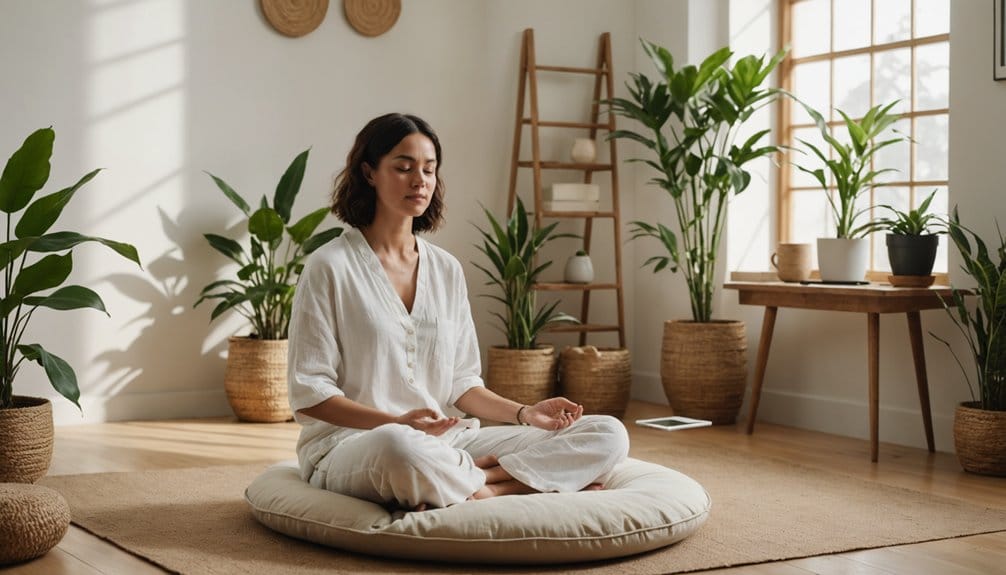
Guided meditation can be a game-changer for your kids, offering them practical tools to navigate life’s ups and downs. Through age-appropriate mindfulness techniques, children learn to manage stress, improve focus, and develop emotional awareness – all while having fun with creative visualization and storytelling. You’ll notice better sleep habits, stronger academic performance, and enhanced social skills as your little ones build their “mental muscles.” Ready to reveal your child’s natural ability to find inner calm?
Understanding Guided Meditation for Young Minds
What if you could help your kids find their inner calm, even on their most energetic days? Guided meditation for children isn’t about forcing them to sit still like mini-monks (good luck with that!). Instead, it’s about meeting them where they are, using mindfulness techniques that speak their language.
Think of it as storytelling meets relaxation. Through creative visualization, your child might imagine they’re a peaceful butterfly floating through a garden or a superhero taking deep breaths before saving the day. You’ll guide them through simple exercises that make sense to their developing minds. Remember when your little one spent hours pretending that cardboard box was a spaceship? That same imagination becomes their ticket to tranquility. It’s about turning their natural creativity into a tool for finding peace. Incorporating concepts like yogic sleep can help deepen their relaxation experience.
The Science Behind Children’s Meditation
While scientists once viewed meditation as purely spiritual practice, research now reveals fascinating changes happening in children’s brains during mindful moments. You’ll be amazed to learn how neuroscience benefits show reduced activity in the amygdala – that’s the brain’s worry center – when kids practice meditation regularly.
Ever wonder why your child seems calmer after a guided session? It’s not magic – it’s science! Studies in child development demonstrate that meditation strengthens neural pathways responsible for attention and emotional regulation. Think of it like building your child’s mental muscles. When they meditate, they’re actually creating new connections in their growing brains, similar to how exercise builds physical strength. The best part? These positive changes can last well beyond their meditation sessions, supporting better focus and emotional balance throughout the day. Mindfulness meditation acts as a protective shield against anxiety, promoting lasting emotional adaptability.
Emotional Regulation Through Mindful Practice
You’ve probably noticed that kids’ emotions can go from zero to meltdown faster than you can say “take a deep breath.” Teaching children to recognize and name their big feelings is the essential first step – after all, you can’t manage what you don’t understand. By helping your little ones establish daily calming rituals, like taking three mindful breaths before meals or doing a quick body scan at bedtime, you’re giving them practical tools they’ll actually use when those emotional storms brew. Incorporating techniques like mindful breathing can further enhance their ability to center themselves in moments of distress.
Recognizing Big Feelings First
How often has your child melted down over seemingly small things, like wearing the wrong color socks or getting served the “wrong” shape of pasta? You’re not alone in steering through these stormy seas of big emotions – it’s all part of growing up.
Before your child can manage their feelings, they need to recognize what they’re experiencing. Think of emotional awareness as learning a new language. Just as you wouldn’t expect your child to speak French without first learning basic words, they can’t regulate emotions they don’t understand. Start by helping them name their feelings: “You seem frustrated that the blocks won’t stack just right” or “I can tell you’re excited about the birthday party!” This simple act of labeling emotions helps kids develop their emotional vocabulary and sets the foundation for better self-control.
Building Daily Calming Habits
Creating daily mindfulness habits with kids isn’t like training a puppy – it’s way more entertaining (and sometimes messier). You’ll need patience, creativity, and maybe a sense of humor when your little one decides to meditate upside down.
Start by carving out calming spaces in your home where kids can retreat when emotions run high. A cozy corner with soft pillows, gentle lighting, and maybe a few mindfulness cards can work wonders. Think of it as their emotional charging station.
Make daily mindfulness feel natural by weaving it into existing routines. Try three deep breaths before meals, a quiet moment during tooth brushing, or a bedtime body scan. Remember those first awkward attempts? They’re building blocks to lasting calm. Soon enough, your kids will be reminding you to take those mindful moments.
Better Sleep and Relaxation Techniques
If you’ve ever watched your child toss and turn at bedtime like a tiny tornado, you’ll know the value of having reliable relaxation techniques in your parenting toolkit. Creating a consistent bedtime routine with guided meditation can transform those chaotic evenings into peaceful changes, complete with calming breath exercises that actually work (yes, really!). You’ll be amazed at how incorporating simple mindfulness practices before sleep can help your little one drift off more easily, replacing the usual “but I’m not tired” protests with genuine yawns and heavy eyelids. Regular meditation practice not only promotes better sleep cycles but also helps reduce anxiety, setting the stage for restful nights.
Bedtime Routines That Work
While a peaceful bedtime routine sounds like a fairy tale for exhausted parents, establishing calming meditation practices can transform those chaotic evenings into smooth sailing. Start by creating a cozy environment with soft lighting and calming scents like lavender. You’ll want to implement an electronic detox at least 30 minutes before bed – yes, that means putting your own phone away too!
Incorporate gentle stretching and visualization techniques while playing relaxing music. Reading bedtime stories together creates precious family bonding moments while naturally winding down. The key is maintaining consistent timing for these soothing rituals. Remember, your kids will mirror your energy, so take deep breaths and stay calm (even when they’re asking for that fifth glass of water). Soon you’ll find these mindful routines becoming second nature.
Calming Nighttime Breathing Exercises
Learning proper breathing techniques can transform your child’s bedtime experience from restless to restful. You’ll find that simple exercises like “balloon breathing” – where kids imagine inflating and deflating a colorful balloon with each breath – can work wonders for settling an active mind.
Try this calming visualization: Have your child lie comfortably and pretend they’re a peaceful cloud floating in a gentle breeze. As they breathe in for four counts and out for four, guide them to release any wiggles or worries into that imaginary sky. It’s amazing how quickly kids catch on to these exercises – even if they giggle through the first few attempts! Remember, consistency is key. Soon enough, these breathing techniques will become second nature, and you’ll have a proven tool for those nights when sleep seems elusive.
Peaceful Mind Before Sleep
Creating a peaceful mindset before bedtime can make all the difference between tossing and turning or drifting off to dreamland. You’ll want to start by setting up a calming environment – dim those bright lights, silence those pinging notifications, and maybe even spritz some lavender in the air (because who doesn’t love a touch of spa-like luxury?).
Try using visualization techniques that transport your child to their happy place. Maybe they’re floating on a fluffy cloud or watching butterflies in a magical garden. Let them pick the scene! You can guide them through this mental journey with gentle prompts like “What colors do you see?” or “How does the grass feel beneath your toes?” Before you know it, they’ll be trading anxious thoughts for peaceful dreams and morning grumpiness for well-rested smiles.
Improving Focus and Academic Performance
Since focusing in school can feel like trying to catch butterflies with chopsticks, guided meditation offers kids a practical way to sharpen their attention and boost academic success. Through simple focus techniques and concentration exercises, students can develop stronger study habits that stick. Academic mindfulness transforms scattered thoughts into laser-sharp attention spans.
You’ll notice the difference when your child starts using meditation methods before tackling homework. Learning strategies become more effective as classroom calmness improves. Want proof? Research shows that students who practice mindfulness for just 10 minutes daily see improvements in test scores and comprehension. They’re less likely to get distracted by that pesky pencil tapping or daydreaming about recess. It’s like giving their brain a superhero cape – suddenly, paying attention becomes their special power. This practice not only enhances focus but also promotes equal breathing techniques that help students regulate their stress and maintain a calm learning environment.
Building Self-Awareness and Confidence
You’d be amazed how guided meditation helps kids tune into their emotional dashboard – recognizing when they’re running on empty or their stress gauge is in the red zone. Through regular practice, your child will start building an inner cheerleader, replacing those pesky “I can’t” thoughts with confident “I’ve got this!” moments. This heightened self-awareness acts like a superpower, letting kids understand and express their feelings while developing the kind of rock-solid confidence that’ll serve them well beyond the meditation mat.
Recognizing Inner Feelings
Although many children struggle to name their emotions, guided meditation offers them a powerful tool for developing emotional intelligence and self-awareness. Through gentle breathing exercises and mindful moments, kids can learn to pause and tune into what they’re feeling inside.
You’ll notice your child becoming better at identifying emotions as they practice meditation regularly. When they’re frustrated, scared, or excited, they’ll start recognizing these feelings before they become overwhelming. This newfound awareness helps them respond thoughtfully instead of reacting impulsively. Think of it as nurturing feelings in a safe space – like tending to a garden where every emotion has room to grow and be understood. Best of all, children learn that all feelings are valid, even the uncomfortable ones, which builds their emotional vocabulary and confidence in expressing themselves.
Building Positive Self-Talk
Building on their growing emotional awareness, kids can develop an inner cheerleader through guided meditation’s positive self-talk exercises. Teaching children to replace negative thoughts with positive affirmations helps them face life’s challenges with confidence and resilience.
You’ll find that guided meditation offers the perfect setting for child empowerment through self-talk practice. When your kid learns to say “I can do this” instead of “This is too hard,” they’re creating powerful mental habits that’ll last a lifetime. Start with simple phrases like “I am brave” or “I am kind,” and watch as they begin incorporating these affirmations into daily life. Remember those times you’ve caught them practicing their positive mantras in front of the mirror? That’s the magic of meditation at work, helping them build their very own support system from within.
Managing Anxiety and Stress in Kids
Everyone knows that today’s kids face mounting pressures – from academic expectations to social media stress. Through mindful parenting and developing emotional intelligence, you can help your child manage these challenges before they become overwhelming.
When you notice your child showing signs of anxiety – like stomach aches before tests or trouble sleeping – it’s time to introduce calming techniques. Start with simple breathing exercises they can use anywhere. Have them imagine their belly is a balloon, slowly filling with air and then deflating. You’d be amazed how this simple trick can work wonders!
Social Skills Enhancement Through Meditation
Regular meditation doesn’t just help kids manage stress – it can work wonders for their social connections too. Through mindful interactions, your child will develop a stronger awareness of others’ emotions and perspectives. You’ll notice them becoming more patient with siblings and responding thoughtfully instead of reactively to playground conflicts.
Want to boost your child’s empathy development? Meditation creates space for kids to process social situations more clearly. They’ll learn to pause before speaking and truly listen to their friends’ points of view. Think of it as training their “friendship muscles” – the more they practice being present and aware, the better they become at maneuvering social situations.
You might even catch them teaching their friends some calming techniques during recess. Now that’s what we call positive peer influence!
Creating a Peaceful Daily Routine
When life feels chaotic, establishing peaceful rituals can transform your child’s daily experience. Starting with mindful mornings, you’ll set a positive tone that carries through the entire day. Try playing soft music while your little one gets dressed, or practice three deep breaths together before breakfast.
Create calming rituals that become cherished traditions – like a pre-bedtime meditation session where you both imagine floating on peaceful clouds. Who knew that five minutes of quiet time could turn a cranky kid into a zen master in training? Incorporate simple practices throughout the day: a gratitude moment at dinner, a quick breathing exercise before homework, or a peaceful wind-down routine with gentle stretching. Remember, you don’t need elaborate plans – consistency matters more than complexity when building these peaceful habits.
Age-Appropriate Meditation Practices
Finding the right meditation style for your child’s age makes all the difference between peaceful practice and restless wiggling. For toddlers and preschoolers, try playful mindful games like “Be a Tree” where they stand tall and sway gently, or “Balloon Belly” breathing techniques that make tummy movements fun.
Elementary-aged kids can handle slightly longer sessions with guided imagery – maybe they’re floating on a cloud or exploring a magical garden. You’ll know you’ve hit the sweet spot when they ask to do it again! Tweens and teens might prefer more grown-up approaches, like body scan meditations or mindful walking. Remember, you’re not training tiny monks here – if your 6-year-old giggles through half the session, that’s perfectly fine. The goal is to make mindfulness feel natural, not forced.