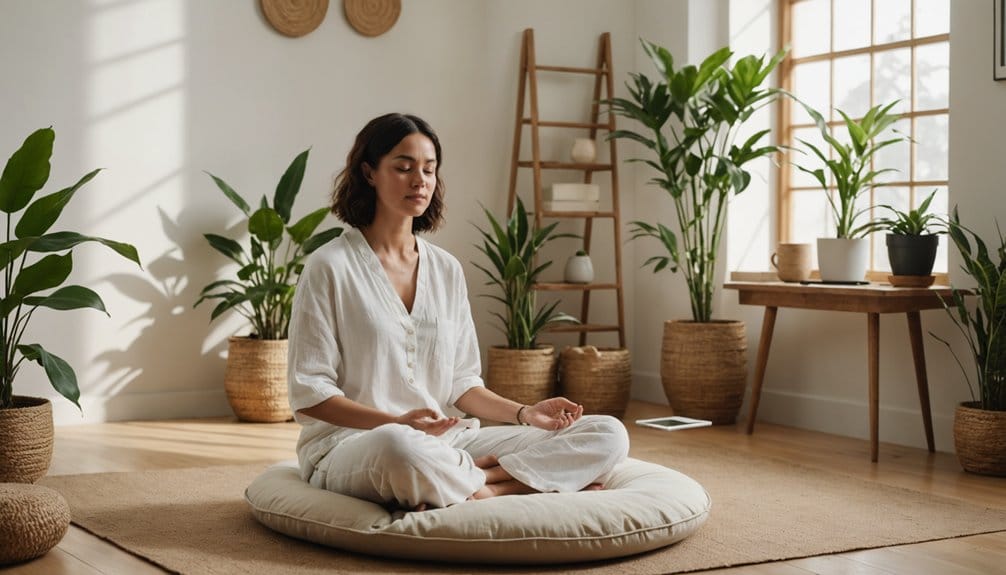
You’ve probably tried everything from counting sheep to meditation apps, but have you considered how other cultures approach deep relaxation? Yoga Nidra, often called “yogic sleep,” isn’t just another trendy wellness practice – it’s a fascinating window into how different societies have mastered the art of conscious rest. While Indians perfected this ancient technique, similar practices have emerged independently worldwide, each adding their own cultural flavor to the mix. Let’s explore how these diverse traditions might change your perspective on relaxation.
The Ancient Roots of Yogic Sleep
While modern meditation apps might have you believe they invented relaxation, Yoga Nidra‘s roots stretch back thousands of years to ancient India’s spiritual traditions. You’ll find its earliest traces in yoga history texts like the Upanishads, where ancient practitioners explored the delicate space between wakefulness and dreams. Ever notice how you’re most creative right before drifting off to sleep? Those wise souls did too.
The practice’s sleep symbolism runs deeper than you’d think. When you’re doing Yoga Nidra, you’re actually recreating what the ancients called “yogic sleep” – a state where you’re mentally alert but physically switched off. Think of it as hitting your body’s reset button, something those meditation-savvy ancestors figured out long before we had smartphones keeping us wired 24/7. Research shows that regular Yoga Nidra practice can reduce the time it takes to fall asleep by up to 50 percent.
Western Adaptations of Yoga Nidra
As Western practitioners began discovering Yoga Nidra in the mid-20th century, they couldn’t help but put their own spin on this ancient practice. You’ll find modern yoga adaptations that blend traditional techniques with Western psychology and neuroscience. Ever noticed how your local yoga studio’s “relaxation class” feels suspiciously similar to a therapy session?
These days, you’re likely to experience Yoga Nidra with binaural beats playing in the background or through a meditation app on your smartphone. The therapeutic benefits haven’t changed – you’ll still find deep relaxation and stress relief – but the delivery has evolved. Western teachers have added their own flair, incorporating mindfulness concepts and even using Yoga Nidra to help with issues like insomnia and anxiety. Who knew ancient wisdom could get such a modern makeover? The practice was notably simplified in the 1960s by Swami Satyananda Saraswati to make it more accessible to modern practitioners.
Buddhist Influences on Mindful Rest
Buddhist teachings left their mark on mindful rest practices long before Western meditation apps hit the scene. You’ll find striking parallels between Buddhist mindfulness techniques and modern relaxation methods – they’re like distant cousins who finally met at a family reunion. When you’re practicing Zen meditation, you’re tapping into centuries of wisdom about letting go and finding peace in stillness.
Ever notice how Buddhist monks seem so calm? They’ve mastered the art of mindful rest through practices like walking meditation and conscious breathing. You can bring this ancient wisdom into your daily life without joining a monastery – try pausing between tasks to observe your breath, or take a mindful moment before bed. It’s like hitting your internal reset button, but with a 2,500-year-old user manual. Loving-kindness meditation has been embraced by millions worldwide as a powerful way to cultivate emotional resilience and reduce stress.
African Sacred Sleep Traditions
You’ll find that African sacred sleep traditions contain some fascinating parallels to modern relaxation practices, with ancient rituals treating rest as a bridge between physical and spiritual domains. When tribal elders engaged in “dream walking,” they’d use specific breathing patterns and ceremonial positions to access what they believed were ancestral wisdom states. These time-tested practices viewed sleep not just as physical restoration, but as sacred medicine – something we could probably all use a bit more of in our caffeine-fueled modern world.
Ancient Ancestral Sleep Rituals
While yoga nidra has gained modern popularity, sacred sleep practices have deep roots in African traditions dating back thousands of years. You’ll find fascinating examples of dream incubation rituals where tribal elders would guide people into twilight states to receive ancestral wisdom and healing.
Picture yourself transported to an ancient fireside, where you’d join community members in sacred sleep ceremonies. During these gatherings, you’d experience the power of collective dreaming – something your ancestors knew could bridge the physical and spiritual worlds. The practices weren’t just about rest; they were gateways to divine knowledge. Ancient Africans understood that the space between waking and sleeping held transformative potential. You’re actually tapping into this age-old wisdom whenever you drift into that drowsy state just before sleep.
Dream Walking Spiritual Practices
Among the most profound ancient African sleep traditions, dream walking stands as a revered spiritual practice that connects the physical and spiritual spheres. You’ll find this practice deeply rooted in subconscious exploration, where skilled practitioners guide others through shared dreamscapes.
Ever wondered why your dreams feel so real sometimes? African dream walkers believed you’re actually traveling between worlds. Through careful dream interpretation, they’d help you navigate these ethereal domains – think of them as your spiritual GPS! They’d teach you to recognize signs, symbols, and messages from ancestors while maintaining awareness during sleep.
You’re not just catching Z’s – you’re potentially tapping into ancient wisdom. Don’t be surprised if you start noticing patterns in your dreams that carry deeper meaning. After all, you’re walking in the footsteps of timeless traditions.
Rest as Sacred Medicine
Sacred rest holds deep roots in African healing traditions, where sleep isn’t just about recharging – it’s medicine for the soul. You’ll find that many ancestral meditative practices honor rest as a gateway to spiritual wisdom and healing. Ever noticed how your grandmother always insisted on that afternoon nap? She was onto something!
In traditional African sleep customs, you’re encouraged to embrace restorative sleep as a sacred journey, not just a daily necessity. It’s about creating intentional spaces for deep rest – whether that’s through midday pauses or evening rituals. Think of it like this: your body’s not a 24/7 convenience store, it’s more like a temple that needs regular periods of quiet reverence. When you’re feeling worn down, remember that rest isn’t lazy – it’s legacy.
Indigenous Sleep Meditation Practices
You’ll find remarkable parallels between modern relaxation practices and the ancient dreamtime healing methods used by Indigenous peoples across continents. When you explore sacred sleep medicine rituals, you’re tapping into traditions that have helped communities process both personal and collective wisdom through guided rest states. Whether it’s Australian Aboriginal dreamwalking or Native American spirit journeys during sleep, these practices remind us that accessing deeper consciousness through intentional rest isn’t just a modern wellness trend – it’s a time-tested pathway that your ancestors might have known all along. Like these ancestral practices, mindful awareness meditation allows practitioners to explore the depths of their subconscious mind while maintaining a state of deep relaxation.
Ancient Dreamtime Healing Methods
Traditional dreamtime practices have connected indigenous peoples to healing wisdom for countless generations. You’ll find these ancient methods blend dream symbolism with deep contemplative states that modern science is only beginning to understand. The way your ancestors used healing dreams wasn’t so different from how you might use meditation today – they just had cooler names for it!
Want to tap into this timeless wisdom? Start by setting an intention before sleep, just as tribal healers did. You might be surprised to discover that your dreams hold messages your conscious mind hasn’t caught yet. Whether you’re dealing with physical pain or emotional hurdles, these age-old techniques can help you access your inner healing power. It’s like having a spiritual GPS that’s been road-tested for millennia!
Sacred Sleep Medicine Rituals
While modern sleep aids fill pharmacy shelves, indigenous cultures have long practiced powerful sleep medicine rituals that don’t come in pill form. You’ll find these sacred spaces created with intention – from the dreamcatchers of Native American tribes to the sleep temples of ancient Egypt.
Ever wondered why these restorative practices have endured for thousands of years? The answer lies in their holistic approach. You’re not just targeting sleep – you’re engaging in a full sensory experience. Picture yourself surrounded by aromatic herbs, rhythmic chanting, and carefully arranged crystals. These aren’t just pretty decorations; they’re part of time-tested systems that connect mind, body, and spirit.
Think your bedroom’s messy energy is affecting your sleep? Maybe those ancient cultures were onto something!
Spirit Journey Sleep Traditions
Many indigenous cultures believe that sleep isn’t just about catching z’s – it’s a sacred journey where your spirit ventures beyond the physical sphere. You’ll find that ancient tribes from the Amazon to Australia have practiced spirit-walking through specialized sleep rituals, where your consciousness can roam free while your body rests.
Ever wondered why dreamcatchers hang above beds? These aren’t just decorative pieces – they’re tools for spiritual journeys, filtering nightmares and guiding your spirit safely through the dream landscape. In many traditions, you’ll discover that sleep symbolism plays a significant role in vision quests and coming-of-age ceremonies. Whether it’s the Aboriginal Dreamtime or Native American medicine dreams, these practices invite you to tap into wisdom that’s far deeper than your everyday thoughts. Pretty wild, right?
Modern Scientific Research Findings
Recent scientific studies have revealed remarkable findings about Yoga Nidra’s impact on the human brain and body. You’ll be amazed to learn that neuroscience findings show your brain waves actually slow down to delta patterns – the same ones you experience in deep sleep. But here’s the kicker: you’re still conscious!
The research gets even better. Studies reveal that just 30 minutes of Yoga Nidra can be as restorative as 2-3 hours of regular sleep. Can’t catch those Z’s at night? Regular practice has been proven to dramatically improve sleep quality. You’re fundamentally giving your brain a power wash without the awkward drooling-on-your-pillow part.
Scientists have also found that your stress hormones take a nosedive while your body’s natural healing mechanisms kick into high gear. Who knew lying still could be so productive?
Like body scan meditation, this practice helps you systematically release tension throughout your entire body for deeper relaxation.
Cultural Integration and Evolution
The ancient practice of Yoga Nidra hasn’t just caught the attention of scientists – it’s become a beautiful example of cultural fusion in our modern world. You’ll find studios in Manhattan offering guided sessions alongside traditional Sanskrit chants, while European wellness centers blend local folklore into their spiritual evolution practices.
This cultural exchange hasn’t diluted Yoga Nidra’s essence – it’s made it more accessible to you and countless others. Whether you’re unwinding in a cozy Norwegian meditation space or joining an online session led by an instructor in Mumbai, you’re part of a global community that’s adapting this timeless practice. Ever notice how the core relaxation techniques remain the same, even as the delivery methods evolve? That’s the magic of authentic cultural integration.
Global Teaching Methods and Approaches
Teaching methods for Yoga Nidra have exploded across continents like wildfire, creating a fascinating patchwork of approaches that’d make ancient yogis scratch their heads in wonder. You’ll find cultural variations ranging from traditional Indian ashrams to modern Western studios, each adding their unique spin to teaching styles.
Want to experience global perspectives firsthand? You might encounter mindfulness practices blended with local customs – like Japanese-inspired silence rooms or American-style community engagement workshops. Through experiential learning, you’ll discover how therapeutic applications vary: some teachers guide you through visualization while others focus on integration methods rooted in psychology.
Whether you’re drawn to ancient wisdom or contemporary adaptations, there’s a teaching approach that’ll resonate with you. After all, isn’t that what makes Yoga Nidra’s evolution so beautiful – its ability to meet you exactly where you are?