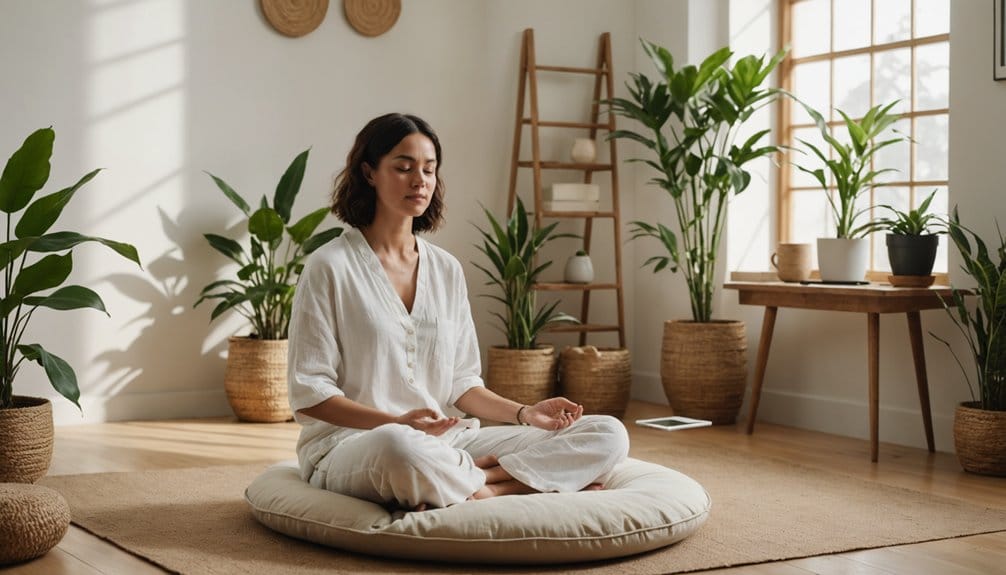
You’ll find that Transcendental Meditation (TM) has become far more than just sitting quietly with your eyes closed. Since its Western debut in the 1950s, TM has revolutionized how millions approach wellness and personal growth. From Fortune 500 boardrooms to local school districts, this ancient practice now shapes modern approaches to stress management, creativity, and productivity. Whether you’re seeking inner peace or better performance, TM’s cultural influence offers fascinating insights into how ancient wisdom transforms contemporary life.
Historical Roots and Evolution of TM in Modern Society
While many people associate Transcendental Meditation (TM) with the Beatles’ famous trip to India in 1968, its roots actually stretch back thousands of years into ancient Vedic traditions. You might be surprised to learn that these ancient practices were quietly passed down through generations of Indian gurus before Maharishi Mahesh Yogi introduced them to the West in the 1950s.
The cultural transmission of TM has been quite a journey – from sacred temples to suburban living rooms! You’ll find it fascinating how this technique evolved from closely guarded spiritual wisdom to a mainstream wellness practice. Today, you’re just as likely to see TM discussed in corporate boardrooms as in ashrams. Ever wonder how that happened? It’s largely because Maharishi cleverly repackaged these timeless teachings into a format that busy modern folks could easily grasp and apply. This transformation was inspired by over 5,000 years of Indian spiritual traditions, which showcases the depth and history underpinning TM’s practices.
Celebrity Endorsements and Popular Culture Influence
The Beatles’ embrace of Transcendental Meditation in 1968 sparked a cultural wildfire that forever changed how the Western world viewed Eastern spiritual practices. When you see David Lynch or Jerry Seinfeld talking about their decades-long TM practice, you’re witnessing the ongoing celebrity influence that’s kept meditation in the spotlight.
Today’s mindfulness trends owe a lot to those early celebrity endorsements. You’ll find everyone from Oprah to Hugh Jackman crediting TM for their success and mental clarity. Remember when Howard Stern couldn’t stop raving about it on his show? That’s the power of celebrity advocacy at work. But here’s the funny thing – while stars may have made TM fashionable, it’s everyday people like you who’ve turned it into a lasting cultural phenomenon. The scientifically backed benefits of TM, including stress reduction and improved brain function, have also contributed to its widespread appeal.
Impact on Western Spirituality and Religious Practices
You’ll notice how Transcendental Meditation has reshaped Western spiritual identity, turning many traditional churchgoers into curious spiritual explorers who now comfortably blend ancient Eastern practices with their Sunday services. When you look at modern interfaith conversations, TM has created fascinating bridges between different belief systems, making it perfectly normal to hear your local pastor chatting about mantras and meditation alongside Bible verses. As meditation rooms pop up in churches and synagogues across America, you’re witnessing a remarkable fusion of contemplative traditions that would’ve seemed impossible just a few decades ago. This blend of practices often encourages individuals to cultivate natural breath awareness, enhancing their spiritual experiences through deepened mindfulness.
Modern Religious Identity Evolution
Since adopting Transcendental Meditation in the 1960s and 70s, Western spiritual seekers have dramatically reshaped their religious identities beyond traditional boundaries. You’ll notice how this shift sparked a fascinating identity crisis, as people began mixing Eastern practices with their existing beliefs. It’s like creating a spiritual smoothie – a bit of mindfulness here, some traditional prayer there!
This cultural fusion has led to deeper self-awareness and personal transformation that you might recognize in your own journey. You’re part of an exciting mindfulness evolution that’s reshaping collective consciousness. Whether you’re building community through meditation groups or seeking inner peace, you’re contributing to a broader existential exploration. Isn’t it remarkable how we’ve moved from rigid religious structures to more fluid, personalized spiritual identities?
Interfaith Dialogue Enhancement
While traditional religious boundaries once created divides between faiths, Transcendental Meditation has opened surprising new pathways for meaningful interfaith dialogue. You’ll find that TM’s universal approach creates a unique bridge between different belief systems – after all, who doesn’t appreciate a practice that respects all paths while enhancing their own?
Through interfaith partnerships, you’re seeing more religious leaders embrace TM as a complementary practice rather than a competing ideology. When you participate in dialogue facilitation sessions that incorporate meditation, you’ll notice how shared silence creates mutual understanding. It’s like finding common ground in the quietest moments. Think about it: whether you’re Catholic, Muslim, or Buddhist, you’re all exploring the same inner landscape. Isn’t it amazing how a simple practice can turn potential conflicts into conversations?
Contemplative Practice Integration
How has Transcendental Meditation transformed Western approaches to spirituality? You’ll find its influence woven throughout modern mindful awareness practices, where ancient wisdom meets your daily routine. Whether you’re seeking inner peace or cognitive clarity, TM’s seamless lifestyle integration has made contemplative practice more accessible than ever.
You’re no longer choosing between spiritual alignment and time management – they’ve become natural partners. Through personal transformation, you’ll discover emotional resilience isn’t just for monks on mountaintops. It’s for you, juggling work meetings and grocery lists. The practice supports holistic health while connecting you to collective consciousness in ways that fit your busy schedule. Who knew stress reduction could be so straightforward? By embracing TM’s simple techniques, you’re joining millions who’ve found that spiritual growth doesn’t require complicated rituals or endless hours of practice.
Integration Into Corporate and Professional Settings
If you’ve ever wondered why major corporations like Google and Apple embrace Transcendental Meditation, it’s because they’ve seen remarkable improvements in employee focus and stress reduction. You’ll find TM programs popping up everywhere from Wall Street trading floors to Silicon Valley startups, where executives swear by the practice’s ability to sharpen their decision-making and boost productivity (even if some still struggle to sit still for 20 minutes). Whether you’re gunning for that corner office or just trying to keep your cool during endless Zoom meetings, TM’s scientifically-proven benefits for workplace performance might be worth exploring. Companies that implement mindfulness practices often report enhanced emotional resilience and improved teamwork among their staff.
Workplace Stress Management Benefits
As corporations increasingly prioritize employee wellness, Transcendental Meditation has emerged as a powerful tool for managing workplace stress. You’ll find that just 20 minutes of meditation twice daily can transform your workday from chaos to clarity. Studies show it’s not just feel-good fluff – TM considerably boosts employee well-being and productivity.
Ever notice how one stressful meeting can derail your entire afternoon? That’s where TM comes in handy. Through consistent practice, you’ll develop better stress reduction skills and emotional regulation. Your colleagues might even ask what’s your secret when they see you staying cool during tight deadlines. Plus, you’ll likely find yourself making fewer coffee runs – that natural energy boost from meditation is the real deal!
Executive Performance and Focus
While meditation might seem far removed from the executive boardroom, Transcendental Meditation has become a secret weapon for CEOs and business leaders worldwide. You’ll find this practice delivers impressive results in cognitive enhancement and decision making, helping you navigate complex challenges with newfound mental clarity.
Want to boost your productivity and time management skills? TM’s proven stress reduction techniques help you maintain emotional regulation when deadlines loom. You’re building resilience while sharpening your leadership development capabilities – all in just 20 minutes, twice daily. Think of it as your brain’s power nap with benefits!
The practice supports effective goal setting by clearing mental clutter and allowing you to focus on what truly matters. Who knew sitting quietly could be your fastest path to executive excellence?
Role in Arts, Music, and Creative Expression
Creativity flows more freely when the mind finds stillness through meditation. You’ll notice how artistic expression takes on new dimensions as your practice deepens – it’s like opening a door to possibilities you didn’t know existed. Whether you’re seeking musical harmony in composition or improvisational freedom in dance, TM helps quiet the inner critic that often blocks creative inspiration.
Ever wonder why so many famous artists swear by meditation? It’s because TM creates the perfect conditions for emotional resonance to emerge naturally. You’ll find yourself achieving aesthetic balance in your work without forcing it. Paint strokes become more confident, melodies flow more smoothly, and writer’s block dissolves into clear creative vision. The best part? You don’t need to be a professional artist to experience these benefits – everyone’s creative potential expands through regular practice. Just as many celebrated artists have attested, brain wave shifts during TM can lead to heightened creativity that transforms artistic endeavors.
Scientific Research and Medical Community Acceptance
Numerous scientific studies have validated what TM practitioners have known for decades – this meditation technique produces measurable changes in brain activity and overall health. You’ll find an impressive body of neuroscientific studies backing up these claims, with researchers documenting significant stress reduction in regular practitioners.
Ever wonder why doctors are increasingly recommending TM to their patients? The medical community’s acceptance hasn’t come easily – it’s taken years of rigorous research to demonstrate the technique’s benefits. From lowered blood pressure to improved sleep patterns, you’re looking at evidence that’s tough to ignore. While some skeptics initially dismissed TM as just another relaxation technique, the mounting scientific data has transformed many critics into advocates. And let’s be honest – when’s the last time your doctor recommended something this enjoyable for your health?
Educational System Adaptation and Youth Programs
Since recognizing TM’s positive impact on student wellbeing, schools across America have started incorporating meditation programs into their daily routines. You’ll find students taking “mindfulness breaks” between classes, learning breathing techniques, and developing emotional awareness skills that’ll serve them well beyond graduation.
The youth engagement in these programs has been remarkable. Remember how fidgety you were in school? Well, today’s students are learning to channel that energy through structured mindfulness education. They’re discovering tools to manage test anxiety, improve focus, and build better relationships with peers. Some schools have even created “peace corners” where students can reset when feeling overwhelmed. Who knew that teaching kids to sit still and breathe could be so revolutionary? It’s not just about academics anymore – it’s about nurturing the whole student.
Global Movement and Cross-Cultural Exchange
When TM first spread beyond India’s borders in the 1960s, you’d have been hard-pressed to find a meditation cushion in most Western homes. Now, you’ll spot meditation practices everywhere from corporate boardrooms to elementary schools, showing how far cultural exchange has come.
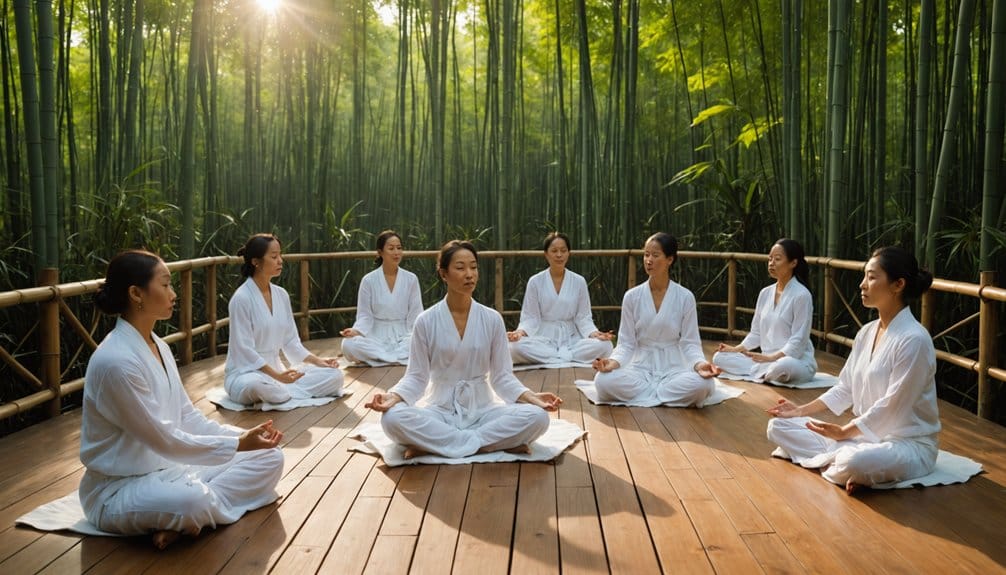
You’re witnessing a remarkable shift in global consciousness as TM bridges Eastern wisdom with Western wellness trends. The mindfulness movement has created spaces where diverse perspectives thrive, and spiritual exploration knows no borders. You’ll find community building happening organically as people from different backgrounds share holistic approaches to well-being.
What’s fascinating is how cultural adaptation occurs naturally – TM’s core teachings remain intact while fitting seamlessly into local customs. Whether you’re in Tokyo or Toronto, you’ll experience how this ancient practice speaks a universal language of inner peace.