You can teach kids loving-kindness meditation by making it fun and engaging rather than forcing participation. Create a cozy space with colorful cushions, nature elements, and soft lighting to set the mood. Keep sessions short and incorporate playful elements like gratitude treasure hunts or sharing circles with special stones. Focus on simple visualizations and relatable language while encouraging family involvement. When children discover meditation through natural curiosity and enjoyment, they’re more likely to develop lasting emotional benefits.
What Is Loving-Kindness Meditation for Children
Think of children’s mindfulness as planting tiny seeds of peace in their hearts. When your little one practices loving-kindness meditation, they’re learning to be their own best friend while extending that same kindness to family, friends, and even those tricky playground relationships. It’s like giving them an emotional superpower – the ability to respond to challenging situations with understanding instead of anger. This practice can significantly enhance emotional well-being, allowing children to navigate social interactions with greater compassion and resilience.
Benefits of Teaching Metta to Young Minds
The ripple effects of teaching metta meditation to children extend far beyond the meditation cushion. When you introduce kids to loving-kindness practices, you’re helping them develop emotional resilience that’ll serve them throughout their lives. They’ll learn to navigate tough feelings with greater ease and bounce back from setbacks more quickly. You’ll notice your children developing deeper social empathy as they practice wishing well-being for others. It’s amazing how quickly they’ll start showing more compassion – from comforting a friend who skinned their knee to understanding why their sibling might be having a rough day. Think of it as giving them an emotional superpower! Plus, they’ll develop better self-regulation skills, improved focus in school, and healthier relationships with family and friends. Regular meditation can also enhance emotional resilience, which is a valuable trait for their personal growth and success. Who wouldn’t want that for their kids?
Creating a Child-Friendly Meditation Space
Setting up a cozy meditation space for kids requires a different approach than creating an adult zen zone – after all, your little meditators probably aren’t looking for minimalist decor and Sanskrit mantras!
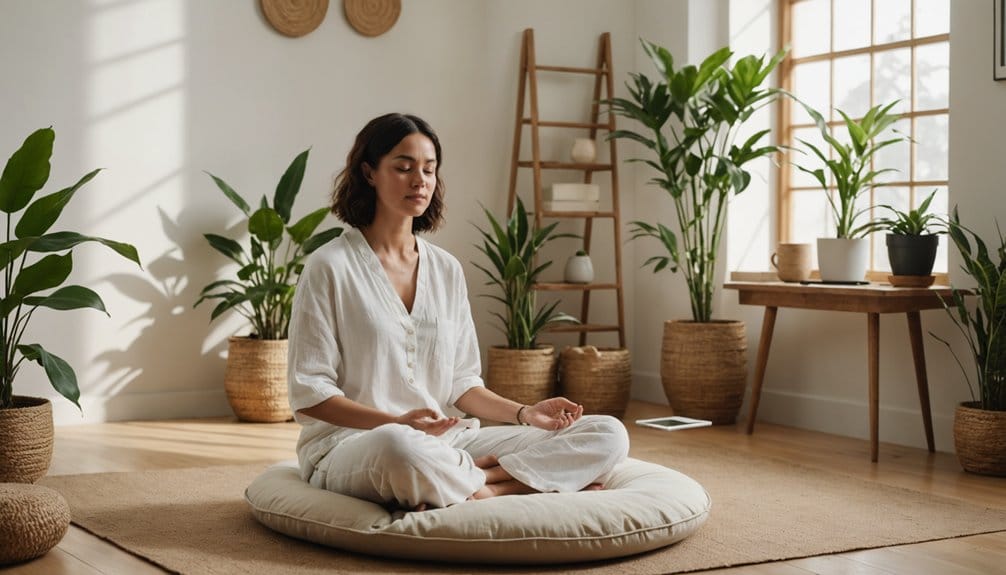
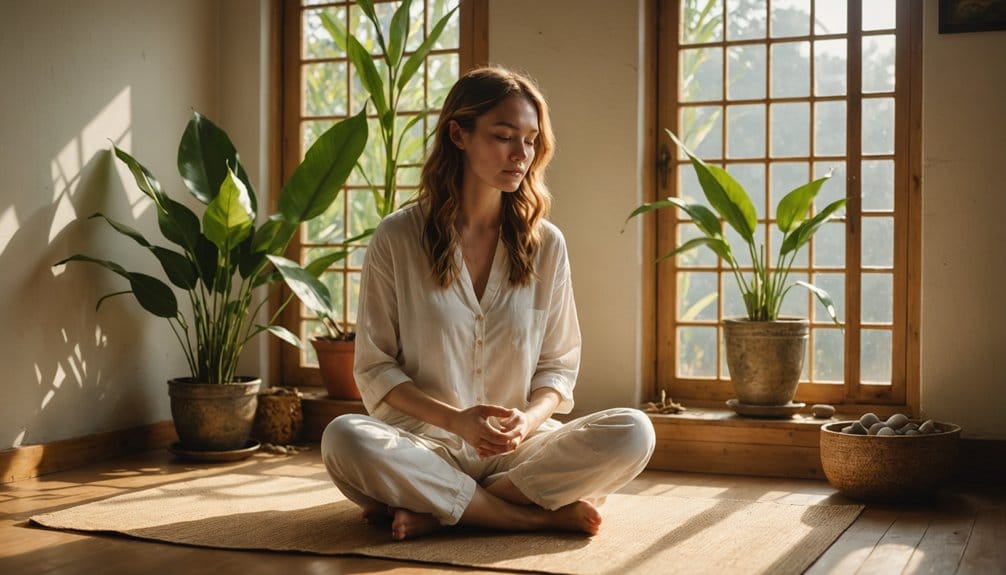
Start by layering colorful cushions in a dedicated corner that feels like their special retreat. Add nature elements like potted plants or smooth stones they can hold. Soft lighting from himalayan salt lamps creates a gentle ambiance, while mindful decorations like interactive art pieces keep them engaged. Want to inspire them? Paint calm colors on the walls and add age-appropriate inspirational quotes that spark joy.
Don’t forget sensory materials – soft blankets, stress balls, or textured pillows can help fidgety kids stay focused. Finally, introduce relaxing sounds through gentle music or a small fountain that’ll transform their cozy corner into a peaceful sanctuary. To further enhance the experience, ensure the room has proper ventilation and temperature to keep the environment comfortable and inviting.
Simple Steps to Practice Metta With Kids
Making loving-kindness meditation fun and accessible for kids requires breaking it down into bite-sized steps they’ll actually enjoy. Start with simple breathing exercises, having them imagine their belly as a balloon that fills and empties. Next, guide them to think of someone they love – maybe a parent, friend, or even a beloved pet. Ask them to send happy thoughts to that person, like tossing invisible confetti of good wishes.
As they get comfortable with mindful practices, expand their circle of kindness. Have them picture sending love to someone they don’t know well, like their school bus driver or lunch server. You can make it playful – “Let’s beam superhero strength to grandma!” Kids naturally understand compassion; they just need fun ways to express it. Incorporating these practices can help build emotional resilience, fostering a deeper connection to themselves and others as they grow.
Fun Activities and Games for Mindful Kindness
You’ll love exploring these playful mindfulness activities that bring out the natural kindness in kids while keeping them engaged and giggling. Start with a heartfelt sharing circle where children pass around a special “kindness stone” and share stories of caring moments, then shake things up with an exciting gratitude treasure hunt through your home or classroom. Let their creativity shine through “kindness in motion” storytelling, where kids act out tales of compassion using dance and creative movement – you might be surprised how imaginative they get when expressing kindness through their whole bodies! Engaging in these practices can foster collective compassion, creating a positive environment for both the children and their peers.
Heartfelt Sharing Circle Activities
You’ll be amazed at what emerges when kids open up! Some might share about helping a friend who fell on the playground, while others might talk about their pet’s unconditional love. Keep the atmosphere light with gentle encouragement, and don’t force participation. Let children pass if they’re not ready. The magic happens when they realize that kindness is all around them – in big gestures and tiny moments that make their hearts smile.
Gratitude Treasure Hunt Games
A lively gratitude treasure hunt transforms mindfulness into an exciting adventure that kids absolutely love. Place gratitude prompts around your home or classroom, sending children on a quest to discover hidden thankfulness activities. You’ll be amazed at how enthusiastically they embrace this mindful game.
Create clues that guide kids to find special spots where they can pause and reflect. At each location, they might draw something they’re thankful for, write a kind note to someone, or share a happy memory. Mix it up with physical activities too – maybe they’ll hop like a grateful bunny to the next clue or tip-toe quietly like a mindful mouse. The best part? They’re learning deep appreciation while having so much fun, they don’t even realize they’re practicing mindfulness.
Kindness Storytelling Through Movement
Building on children’s natural love of movement and storytelling, mindful kindness takes on a whole new dimension when we bring stories to life through creative motion.
You’ll find that combining kindness movements with storytelling techniques creates an engaging way for kids to embody compassionate actions. Have children act out simple scenarios – like helping someone who’s fallen or sharing a toy – using exaggerated gestures and facial expressions. Ask them to show how kindness feels in their bodies: “Can you make yourself as big as a warm hug?” or “What does your face look like when you’re helping a friend?” Let them take turns being the storyteller while others mirror their movements. This playful approach helps kids connect physical sensations with emotional awareness, making abstract concepts of kindness tangible and memorable.
Addressing Common Challenges and Solutions
While teaching loving-kindness meditation to kids can be deeply rewarding, it’s natural to encounter some bumps along the way. You might notice your little ones squirming or struggling to focus – that’s perfectly normal! The key is finding the right balance of parental involvement and age appropriateness in your approach.
For younger children who can’t sit still, try breaking sessions into micro-moments of just 1-2 minutes. When kids say “this is boring,” transform the practice into a game – pretend you’re sending love bubbles to friends or family. Remember how fidgety we adults can be during meditation? Kids are no different! If your child resists participating, don’t force it. Instead, model the practice yourself and let their curiosity naturally draw them in.