Want to turn your hectic life into a calm oasis? Mindfulness meditation can help you master the present moment with just a little practice. It’s all about being here now—embracing your thoughts and sensations without judgment. Start by finding a comfy spot, focusing on your breath, and gently guiding your wandering mind back to the now. It’s okay if your thoughts wander; it happens to the best of us! Stick around, and you’ll uncover more tips and tricks to deepen your practice.
Key Takeaways
- Mindfulness meditation enhances presence by focusing on the current moment, cultivating awareness and emotional resilience essential for stress relief.
- Prepare for practice by choosing a comfortable space, minimizing distractions, and engaging in techniques like Yoga Nidra for relaxation.
- Maintain focus during meditation by anchoring thoughts to your breath, gently guiding your mind back when distractions arise without judgment.
- Common beginner challenges include wandering thoughts and misconceptions; patience and understanding that struggles are part of the process are crucial for motivation.
- Consistency and integration of mindfulness into daily routines, aided by modern resources like apps, support the journey toward mastering the present moment.
Introduction
Mindfulness meditation is all about being present and embracing the moment, even if your mind keeps wandering off like a cat chasing a laser pointer. In today’s fast-paced world, taking a breather to focus on your breath might just be the sanity-saver you didn’t know you needed. Regular practice of mindfulness meditation can physically alter the brain by strengthening the prefrontal cortex, enhancing attention and decision-making. So, why not give yourself a break and explore how this practice can bring a little more calm and clarity to your everyday chaos?
What this meditation style is about
If you’ve ever found your thoughts racing while trying to relax—or worse, realized you’re thinking about the grocery list instead of your well-being—you’re not alone. Mindfulness meditation is about anchoring yourself in the present, letting go of distractions, and tuning into your own experience. It’s like hitting the pause button on life’s chaos. You might not become a Zen master overnight, but practicing techniques like focused breathing or body scans can bring you amazing mindfulness benefits. Think about it: by simply observing your thoughts without judgment, you free yourself from habitual patterns. And who doesn’t want that? Additionally, mindful breathing can serve as an effective method to alleviate stress and cultivate inner calm. So, grab a comfy spot, get curious, and let those worries drift away—perhaps even with a smirk on your face!
Why it matters today
As life throws a million things at you—work, social media, and the never-ending to-do list—it’s easy to feel overwhelmed and lose your grip on the present moment. With societal stress reaching new heights, you might wonder, “How can I find my calm?” Mindful technology offers tools to pull you back into the now. Imagine putting that endless scroll on pause and actually feeling your breath for a change! By embracing mindfulness, you free yourself from the chaos, turning moments of anxiety into opportunities for clarity. It’s like hitting a mental reset button! Regular practice of mindfulness meditation can help shrink the overactive amygdala associated with fear and stress. So, let’s trade in the stress for stillness—because finding peace amidst noise isn’t just a luxury; it’s a necessity. Ready to reclaim your freedom?
Historical Roots and Origins
Mindfulness meditation has roots that stretch back through centuries, pulling from a rich tapestry of cultural and spiritual traditions. Ever wonder how ancient monks in far-off lands discovered the power of just sitting quietly? Let’s explore some key figures and practices behind this simple yet profound way of finding peace, and who knows—you might even feel a little wiser by the end! The early Buddhist roots of contemplative practice reveal that techniques for mindfulness were being developed even before the time of the Buddha.
Cultural and spiritual background
Although you might think of mindfulness as a modern trend, its roots run deep into ancient cultural and spiritual traditions. You could say mindfulness has some serious ancestry, linked to Buddhist origins and Zen practices. These mindfulness traditions show us how to tap into the present moment, teaching us to listen to our breath instead of scrolling through our phones, right? But let’s not forget about the discussions around cultural appropriation in today’s global influence. These age-old techniques found in ancient texts have evolved through spiritual evolution and modern adaptations. The practice of Vipassana meditation, with its emphasis on non-judgmental observation, illustrates the deep understanding of self-awareness that has been refined over centuries. Isn’t it fascinating how something so old can still fit so perfectly in our fast-paced lives? You’ve got a powerful tool at your fingertips; all you need to do is engage!
Key figures or traditions associated with it
Imagine this: thousands of years ago, in the serene landscapes of ancient India, a prince named Siddhartha Gautama took a deep breath and sat under a bodhi tree, seeking enlightenment. Fast forward to today, and you’ll find key figures like Jon Kabat-Zinn and Thich Nhat Hanh bringing mindfulness to the masses. They draw from Buddhist traditions and Eastern philosophies, transforming ancient practices into tools for modern living. Whether it’s Vipassana meditation or Zen practices, mindfulness-based therapy adapts these concepts into our daily lives. You might giggle at how hard it is to simply “be,” but that’s part of the fun! Exploring secular mindfulness lets you embrace freedom, reconnecting with yourself amidst the chaos of life. Through techniques like Vipassana, you can experience increased gray matter in areas linked to self-awareness and emotional regulation. So, are you ready to immerse yourself?
Core Philosophy and Principles
When you think about mindfulness meditation, you might picture calmness and deep breaths, but there’s so much more underneath! Its core philosophy centers around being present and cultivating awareness, which sets it apart from other relaxation techniques. Ever notice how distracting your own thoughts can be? Mindfulness invites you to acknowledge them without judgment, kind of like watching clouds float by—only less poetic and more, “Hey, why did I walk into this room again?” The practice often triggers the parasympathetic nervous system, promoting relaxation and enhancing your overall experience.
Underlying worldview or beliefs
Mindfulness meditation invites you to explore a world of presence, where each moment is a chance to reconnect with yourself and the universe around you. It challenges your belief systems, nudging you toward perspective shifts that refresh your outlook on life. Are those old thoughts really serving you? When you pause, you often find they’re more like unwanted house guests! Embracing this practice helps you recognize that thoughts aren’t facts; they’re just mental chatter. As you embrace them, freedom emerges. You start realizing that your emotions don’t need to dictate your choices. Instead of being swept away, you learn to surf the waves of your mind. It’s liberating, isn’t it? Additionally, incorporating techniques such as the 4-7-8 Breathing Method can further enhance your mindfulness journey. So, let’s immerse ourselves in this world with curiosity and laugh at our quirks along the way!
What makes it distinct from other forms
While many meditation practices focus on trying to clear the mind or achieve enlightenment, mindfulness meditation stands out by emphasizing acceptance and awareness of the present moment. This mindfulness differentiation is what truly sets it apart. Instead of chasing an ideal state, you learn to embrace your thoughts and feelings, like an old friend you keep inviting to parties. It offers unique benefits, like reduced stress and improved focus, that come from simply being. Ever found yourself lost in a task, only to realize it’s bedtime? Mindfulness keeps you grounded in the now, making daily activities richer. By practicing non-judgmental awareness, you discover freedom in just being yourself—quirks and all. Mindfulness practices, such as mindful breathing techniques, can further enhance this experience by helping you stay centered. So, why not throw a little mindfulness into your daily routine?
How to Practice Mindfulness
Ready to make mindfulness a part of your everyday life? First, you’ll want to prepare your body and space—yes, that means a comfy spot and maybe a little stretch to avoid looking like a pretzel. From there, we’ll walk through a simple step-by-step guide and explore some fun variations, because who says mindfulness can’t spice things up a bit? Additionally, establishing a regular practice routine is crucial for building a consistent mindfulness habit.
Preparing your body and space
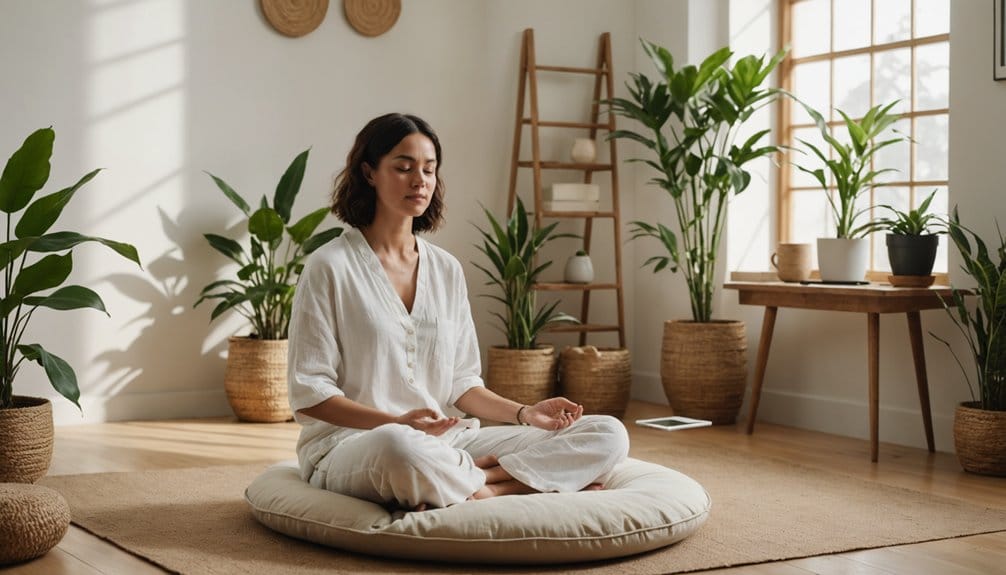
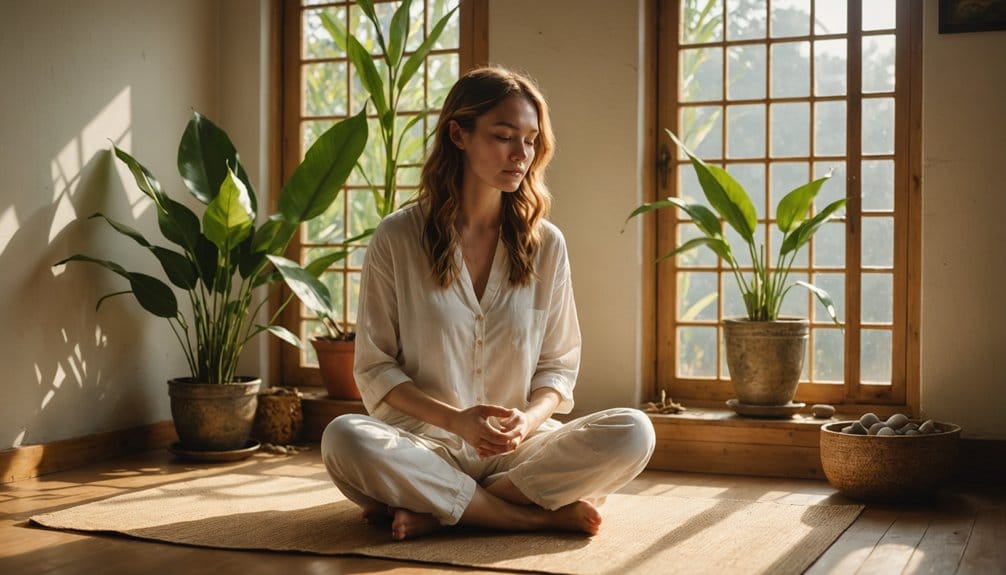
Creating a comfortable space for mindfulness meditation is a bit like preparing for a cozy movie night—minus the popcorn, of course! First, let’s think about body preparation. Find a spot that allows you to sit up straight but relaxed, like a slightly-too-comfy chair. Next, grab a cushion or a blanket to keep your body cozy.
Now, onto space organization. Clear away distractions; your phone’s not your friend right now. You can light a candle or play soft music, but keep it minimal. Maybe add a favorite plant for a touch of nature. It’s also beneficial to incorporate practices like Yoga Nidra that can train your brain for better relaxation and sleep.
Step-by-step practice guide
Now that you’ve set the stage with your cozy space, it’s time to get into the good stuff: practicing mindfulness. Start by sitting comfortably. Close your eyes or lower your gaze—don’t worry, you won’t fall asleep (unless it’s a really cozy chair). Focus on your breath. Inhale deeply, then let it out slowly; this is one of the best mindfulness techniques out there. If your mind wanders to that grocery list, gently guide it back. Notice sensations, sounds, and thoughts without judgment. Counting breaths can also be a helpful tool to anchor your mind during the practice. Enjoy the journey; not every session will feel profound, and that’s okay! Embrace each moment as it comes. Over time, these meditation experiences will transform your perspective, granting you a taste of the freedom you seek.
Common variations
While meditating is great, you might find that switching it up can keep things fresh and engaging. Ever tried a body scan? It’s like a mental road trip through your body, helping you notice those tight shoulders or that pesky tension in your jaw. Then there’s loving-kindness meditation, where you send out good vibes to yourself and others. It’s kinda like throwing a party in your mind but without the cleanup! This practice not only helps in promoting positive emotions but also enhances emotional resilience. Want some variety? Try mindful walking—feel the earth beneath your feet and breathe deeply. Or mix in a little nature—meditate outside if you can. You won’t just be sitting; you’ll be soaking in connection, peace, and maybe even a little laughter along the way!
Benefits and Effects
You might be surprised by how much mindfulness meditation can boost your mental and emotional well-being. Imagine feeling less stressed and more focused, all while sitting quietly—no superhero cape required! Plus, the benefits don’t stop there; they can even weave into your physical health and spark some personal transformation you didn’t know you needed. Engaging in meditation can enhance focus and concentration skills, making everyday tasks feel more manageable and rewarding.
Mental and emotional well-being
Imagine your mind as a bustling train station, with thoughts arriving and departing at lightning speed. Welcome to the chaos! But with mindfulness techniques, you can achieve mental clarity and emotional balance. By focusing on the present moment, you can cultivate emotional resilience and boost your emotional intelligence. Ever found yourself spiraling into anxiety? Mindfulness offers anxiety relief and stress reduction, like a cool breeze on a hot day.
Building self-awareness enhances your emotional regulation, helping you navigate life’s ups and downs. Picture yourself cruising through challenges with newfound mental focus and cognitive flexibility. In this mindful living journey, inner peace isn’t a distant dream; it’s a day-to-day reality. Engaging in practices like self-compassion techniques can provide additional support on this transformative path. So, let’s ride this train together, shall we?
Physical health outcomes
As you weave mindfulness into your daily routine, you’ll soon discover it’s not just your mind getting a makeover—your physical health gets a boost too! Imagine reducing stress like tossing a heavy backpack off your shoulders. These mindfulness benefits extend beyond mental clarity; they improve immune function and cardiovascular health too. You might even find relief from chronic pain or enjoy better sleep. Who knew simply being aware of your body could lead to weight management? Mindfulness can enhance brain plasticity, paving the way for better habits. So, why not give it a try? Clearer thoughts and a healthier body sound pretty fantastic, right? Plus, you might just find a newfound freedom you never expected!
Spiritual or transformative aspects
While exploring the spiritual or transformative aspects of mindfulness meditation, you’ll likely find a surprising blend of self-discovery and inner peace. Who knew sitting still could feel so liberating? Embracing each moment can spark profound spiritual awakenings, where you shed layers of stress and chaos like a snake in a spa day. You start gaining transformative insights into your own nature, revealing truths you never knew were there—like that time you realized you can still eat chocolate while being mindful. Meditation’s magic lies in uncovering your authentic self amidst the noise of life. So go ahead, dive deep! Your journey isn’t about perfection; it’s about progress. Besides, who wouldn’t want a little more freedom in their daily hustle?
Common Challenges and Misconceptions
Starting your mindfulness journey can feel a bit like trying to herd cats—chaotic and confusing! You might struggle with wandering thoughts or wonder if you’re “doing it right.” But don’t sweat it; battling these challenges is totally normal, and debunking the myths around meditation can help you find your groove.
Typical difficulties for beginners
Meditation isn’t always the serene experience you might imagine—many beginners stumble over common challenges that can make the practice feel more like a workout than a walk in the park. You might find your breath control slipping, or, let’s be honest, your thoughts might wander off to that pizza you had last night. It’s normal! Building discomfort tolerance and patience cultivation is key. You’ll encounter self-judgment—“Am I doing this right?” Spoiler: there’s no right or wrong! Consistency issues? Don’t sweat it; even five minutes counts. Emotional release could feel like a rollercoaster, and distraction management? Well, it’s a skill you’ll hone over time. Embrace the struggle; after all, you’re on a journey to freedom!
Myths vs. reality
You might think that meditation is all about sitting in silence, finding your center, and achieving the blissful state of zen—right? Well, let’s bust some mindfulness misconceptions. Many believe you must clear your mind completely. Spoiler alert: it’s completely normal for thoughts to pop in like uninvited guests at a party! Meditation myths also claim it takes years to see benefits, but even five minutes a day can make a difference. And no, you don’t need to sit cross-legged like a yogi master. You can meditate while lying down or even walking! Embrace your cluttered mind; it’s perfectly human. The reality is, meditation is about being present, not perfect. So, let yourself be free to explore your own journey!
Tips for Deepening Your Practice
To really enhance your mindfulness practice, consistency’s key. Imagine settling into your favorite spot with a cozy blanket and a calming playlist—just the kind of setup that turns a few minutes into a mini-retreat! Think about incorporating guided recordings or even finding a teacher; it’s like having a friendly GPS to keep you on course amid life’s distractions.
Recommended frequency and duration
Finding the right frequency and duration for your mindfulness meditation practice can feel a bit like Goldilocks searching for the perfect bowl of porridge—too little, and you might not reap the benefits; too much, and it could feel like a chore. Aim for a daily practice, even if it’s just 5-10 minutes at first. You’ll soon find that’s often the ideal duration to start feeling grounded without it becoming overwhelming. As you settle in, feel free to extend to 20 or 30 minutes. But hey, don’t stress! Life’s busy, and some days you might just need a quick mental reset. Think of meditation as a laid-back friend, inviting you to show up regularly without making you feel guilty about missed dates!
Helpful tools (music, props, guided recordings, teachers)
Once you’ve found your groove with frequency and duration, it’s time to gear up with some helpful tools to enhance your meditation experience. Consider diving into music playlists filled with calming sounds or using mindfulness music to set the mood. Meditation apps offer guided recordings that can be a game changer, especially on those days when your mind’s racing like it just drank a double espresso. Don’t underestimate the power of supportive props—like comfy cushions or blankets—that make your practice feel cozy. Explore teacher resources and virtual classes to connect with guidance that resonates. And hey, check out teacher directories to find someone who can bring wisdom to your journey. After all, who doesn’t want a meditation buddy?
Modern Adaptations and Research
Today, mindfulness meditation isn’t just for monks sitting on mountaintops; it’s found its way into your daily hustle. Studies show it can help with stress, focus, and even your sleep—so you might want to weigh it if you’re tired of counting sheep every night. Plus, it’s fascinating to see how people are reshaping this ancient practice to fit their lives, like turning a Zen garden into a cute little pot at home—who knew mindfulness could be so chic?
How the practice is used in contemporary life
Even though life often feels like a whirlwind of responsibilities and distractions, incorporating mindfulness meditation into your routine doesn’t have to be overwhelming. You can embrace mindful technology with mindfulness apps that make practice easy. Ever tried a workplace mindfulness session? It’s like a coffee break, but way more rejuvenating for your mind! In urban life, finding moments of peace can feel tough, but community practices offer escape routes. With educational integration, kids are starting to learn these skills early—talk about a gift for the future! So, whether you steal a few minutes at work or join a group, remember: every mindful moment counts. You’ve got this, and you deserve a little freedom from the chaos!
Scientific studies and evidence
While you might think of mindfulness as something relegated to zen gardens and tranquil retreats, recent scientific studies reveal it’s a powerhouse for your mind right here in the hustle and bustle of everyday life. Neuroscience findings illustrate how regular mindfulness practice helps you tackle stress reduction effectively. Imagine slicing your stress levels in half – sounds dreamy, right? Just a few minutes of focused breathing can calm that inner chaos and sharpen your focus. Plus, studies show that it improves emotional resilience, making you better equipped to deal with life’s curveballs. So the next time you think about skipping a moment of mindfulness, remember: even a mere minute can transform your day from frantic to free.
Conclusion
As we wrap things up, let’s recap the key takeaways from our mindfulness meditation journey. You’ve learned how beneficial it can be to integrate this practice into your daily life, so why not give it a shot? Remember, even if you can only spare five minutes a day, that’s five minutes you’re investing in a calmer, more centered you—no meditation masters needed!
Key takeaways
Mindfulness meditation isn’t just a trendy buzzword; it’s a powerful tool that can transform your daily life. You might think, “Can sitting still really make a difference?” Absolutely! By using mindfulness techniques, you can experience freedom from stress and anxiety. Imagine this: while stuck in traffic, instead of fuming, you can practice deep breathing and savor the moment.
Daily applications of mindfulness can be as simple as enjoying your morning coffee without distractions. It’s about being present where you are, not scrolling through your phone—trust me, your latte won’t spill secrets. So, begin small. Notice your thoughts, laugh at your wandering mind, and gently redirect it. You’ve got this! Embrace the journey and watch your life shift in delightful ways.
Invitation to try and integrate into daily life
Now that you’ve got a glimpse of how mindfulness can lead to little lifestyle shifts, why not give it a shot? Envision this: you can sprinkle daily practices into your routine, like taking a mindful breath before that morning coffee—or, let’s be honest, before your first Zoom call. You might explore mindfulness apps for guided sessions or find community groups that share your quest for calm. What about those spontaneous moments? Notice them! When you’re stuck in traffic, turn that annoyance into an opportunity for mindfulness. Remember, there’s no “perfect” way to do this; it’s about progress, not perfection. So, embrace the journey, give yourself grace, and laugh a little when your mind wanders—because it will!
If you have enjoyed this article, you can find more Mindfulness-related content, here.