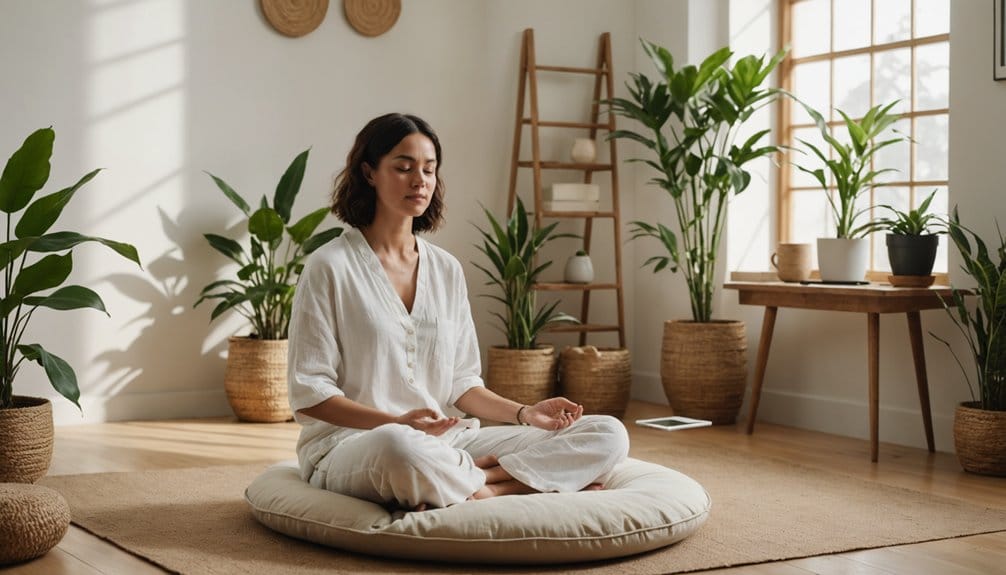
You’ll want to avoid clavicular breathing since it’s basically the equivalent of filling a balloon from the top – inefficient and stressful on your body. This shallow chest breathing overworks your neck and shoulder muscles while limiting oxygen flow, leaving you tired and tense. Plus, it can trigger that pesky fight-or-flight response, creating an anxiety feedback loop. The good news? With a few simple techniques, you can retrain those breathing habits and transform your daily energy levels.
Understanding Clavicular Breathing and Its Mechanics
While many of us think we’re breathing correctly, there’s a good chance we’re doing that thing where our shoulders rise and fall with each breath – that’s clavicular breathing. You know the drill – you’re stressed at work, and suddenly your shoulders are practically kissing your ears with every inhale.
Let’s break down the respiration mechanics: Clavicular breathing happens when you’re primarily using the muscles around your collarbone (that’s the clavicular location) and neck to breathe, instead of your diaphragm. It’s like trying to fill a balloon by squeezing just the top – not very efficient, right? Think of it as breathing’s equivalent of trying to eat soup with a fork – you’re working way too hard for minimal results. Your body’s designed for deeper, more efficient breathing patterns. Deep diaphragmatic breathing is a technique that encourages engagement of the diaphragm for a more effective breath.
The Physical Impact on Your Body
When you rely on clavicular breathing, your neck and shoulder muscles work overtime like an enthusiastic intern trying too hard to impress the boss. You’ll notice your shoulders creeping up toward your ears as tension builds in your upper body, creating a chain reaction of muscle strain that can spread down your back. This restricted breathing pattern also limits the flow of oxygen and energy throughout your body, making you feel about as energetic as a sloth on a rainy Monday morning. Incorporating the 4-7-8 breathing method can help reset your breathing patterns and reduce anxiety.
Muscle Tension and Strain
The good news? You’re not stuck with this tension forever. By incorporating simple muscle relaxation techniques and breath control strategies into your daily routine, you can teach those overworked muscles to chill out. Think of it as giving your shoulders permission to drop from their self-imposed guard duty. Your neck and shoulders will thank you for the much-needed vacation from unnecessary strain.
Restricted Energy Flow
Shallow chest breathing doesn’t just create tension – it literally obstructs your body’s energy highways. Think of your breath as a river that’s meant to flow freely through your entire system. When you’re stuck in that upper-chest breathing pattern, you’re fundamentally building a dam that creates energy blockages throughout your body.
Ever wonder why you feel sluggish even after a full night’s sleep? Your restricted breathing might be the culprit. Through proper breath optimization, you’ll reveal natural energy pathways that have been dormant. It’s like finally clearing out those traffic jams in your body’s energy system. You don’t need fancy techniques or complicated routines – just allow your breath to drop deeper into your belly, and you’ll feel that natural energy returning. Your body knows what to do; you just need to get out of its way.
Signs You’re a Clavicular Breather
Many subtle signs can reveal if you’re breathing primarily from your upper chest and shoulders. If you find yourself frequently sighing, yawning, or feeling like you can’t get a full breath, you’re probably a clavicular breather. Time for a quick symptoms checklist: Do your shoulders rise and fall with each breath? Is your breathing rapid and shallow? Does your neck feel tense by day’s end?
Try this simple breathing awareness exercise: Place one hand on your chest and another on your belly while sitting quietly. If only your upper hand moves, you’ve caught yourself in the act of clavicular breathing. Don’t worry – you’re not alone! Even seasoned yogis sometimes catch themselves breathing from their shoulders when they’re stressed or focused. Controlled breathing can help you transition to a more beneficial breathing pattern over time.
Mental Health Implications of Shallow Breathing
When your breathing stays trapped in your upper chest, your mental wellbeing often pays the price. You might notice your thoughts racing faster than a caffeinated squirrel, while anxiety creeps up like an unwelcome house guest who won’t leave. Ever wonder why stress management feels impossible when you’re breathing from your shoulders?
Here’s the thing: shallow breathing triggers your body’s fight-or-flight response, making you feel like you’re constantly waiting for the other shoe to drop. It’s a vicious cycle – the more anxiously you breathe, the more anxious you become. The good news? You’re not stuck here. Proper breathing techniques are your ticket to anxiety reduction. Think of it as having a built-in relaxation button that you’ve just forgotten to press. Mindfulness meditation, for instance, helps shrink the overactive amygdala, which is linked to feelings of fear and stress.
The Connection Between Posture and Breathing Pattern
Your posture tells a powerful story about your breathing habits – and it’s not always a bestseller. When you’re slumped over your desk like a wilted houseplant, you’re setting yourself up for shallow, inefficient breathing. Ever notice how you can’t take a deep breath when you’re curled up like a human question mark?
Proper posture alignment isn’t just about looking confident – it’s your ticket to breathing efficiency. Think of your torso as a cylinder: when it’s compressed or twisted, air can’t flow freely. Straighten that spine, roll those shoulders back, and feel how your breath naturally deepens. Your diaphragm will thank you for the extra room to expand. The best part? Once you’ve fixed your posture, better breathing follows automatically – like your body’s way of giving you a high-five. Pranayama meditation serves as a powerful tool to enhance your breath awareness and overall well-being.
Breaking the Habit: Breathing Retraining Techniques
Breaking free from clavicular breathing isn’t an overnight miracle – it’s more like teaching an old dog new breathing tricks. You’ll need patience, practice, and a handful of proven breathing exercises to rewire those chest-rising habits.
Start with simple awareness techniques: place one hand on your chest and another on your belly while sitting comfortably. Notice how your breath moves – does your chest rise first? That’s your cue to redirect. Try breathing so your belly expands first, like a balloon slowly filling with air. Sounds easy, right? Well, not at first!
Make it fun by practicing during everyday activities. Stuck in traffic? Perfect time for belly breathing. Watching TV? There’s your chance to check in with your breath. Before you know it, you’ll be breathing like a pro.
Benefits of Switching to Diaphragmatic Breathing
Switching to diaphragmatic breathing can dial up your wellness game in ways you never imagined. When you tap into these diaphragmatic advantages, you’ll release deeper relaxation, better oxygen flow, and a calmer mind. Ever notice how babies breathe? They’ve got it right – their little bellies rise and fall naturally.
With consistent breath awareness, you’ll boost your energy levels and kick stress to the curb. Your voice will sound stronger, your posture will improve, and you might even find yourself sleeping like a rock. Think of it as upgrading from a bicycle to a Tesla – same destination, but way more efficient! Plus, you’ll naturally slow down racing thoughts and feel more grounded throughout your day. Who knew breathing could be your secret superpower?
Expert Tips for Long-Term Breathing Pattern Change
Old habits die hard, especially when it comes to breathing patterns we’ve developed over years. But don’t worry – you’re not stuck with shallow chest breathing forever! Start by setting phone reminders throughout your day to check your breath. You’d be surprised how often you’ll catch yourself breathing from your shoulders instead of your belly.
Incorporate breathing exercises into activities you’re already doing. Waiting for coffee to brew? Perfect time for three deep belly breaths. Stuck in traffic? Another golden opportunity! Try combining mindful meditation with your morning routine – even five minutes can reset your breathing patterns for hours. And here’s a fun trick: place a lightweight book on your belly while lying down. If it’s rising and falling, you’re doing it right. Who knew becoming a better breather could be so simple?